
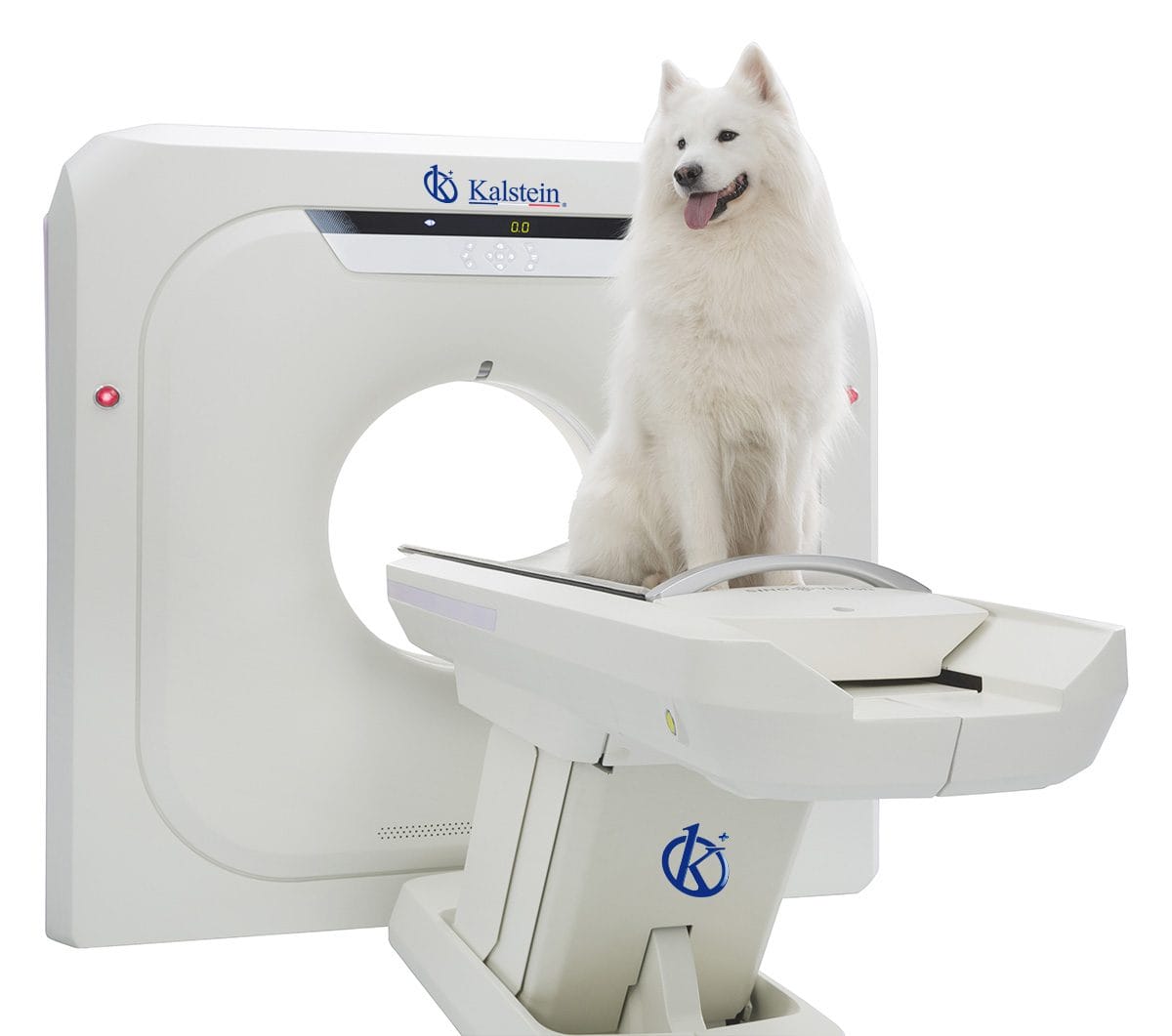
In the field of veterinary medicine, having high-precision diagnostic tools is essential for providing proper treatment to animal patients. Among these tools, veterinary CT scanners stand out for their ability to generate detailed and accurate images that facilitate the identification of pathologies in various species. In my experience working with these devices, I have seen how CT scanning technology has revolutionized veterinary diagnosis, allowing for a more in-depth and rapid analysis of animal health conditions.
Veterinary CT scanners have evolved to offer solutions that were previously only available in human medicine. These devices are now specifically designed to address the needs of veterinarians, with configurations optimized for the size and particularities of animal patients. It is undeniable that these technological advances have greatly improved veterinarians’ ability to provide more accurate diagnoses and, consequently, more effective treatments.
Veterinary CT Scanners, KALSTEIN Brand
Kalstein, a renowned company in the manufacturing of medical and laboratory equipment, has developed veterinary CT scanners that meet the highest standards of quality and precision. These devices are designed with the specific needs of modern veterinary clinics in mind, where speed and accuracy in diagnosis are crucial for patient well-being. Throughout my career, I have had the opportunity to use these scanners in various situations, and the consistency in the results has always been remarkable.
Kalstein’s veterinary CT scanners are equipped with the latest imaging technology, allowing for cross-sectional images of the animal’s body with exceptional clarity. Additionally, the intuitive interface simplifies the work of the technical staff, optimizing response times and ensuring better patient care. If you’re looking for equipment that combines efficiency and precision, Kalstein’s scanners are worth considering.
Features of Veterinary CT Scanners
One of the main features of veterinary CT scanners is their ability to generate high-resolution 3D images. This is achieved through advanced X-ray technology, which allows for multiple cross-sectional images of the animal’s body from different angles. These slices are then combined to create a detailed 3D image, making it easier to identify internal abnormalities that might not be visible with other diagnostic methods.
Another notable feature is the speed at which CT scanners can complete a study. In just a few minutes, it is possible to obtain detailed images of internal organs, bones, and soft tissues, reducing waiting times and allowing veterinarians to make informed decisions quickly. Additionally, many of these scanners are designed to be as comfortable as possible for animal patients, minimizing the stress that often accompanies medical procedures.
Why Do Veterinary CT Scanners Have This Price?
The price of veterinary CT scanners can vary considerably depending on the technical features and capabilities of the equipment. In the case of the models offered by Kalstein, the cost is justified by the inclusion of advanced imaging technology, state-of-the-art data processing software, and durability that ensures years of intensive use in a veterinary clinic.
Furthermore, the price of these devices also reflects the investment in research and development that Kalstein has made to ensure that their scanners meet the most demanding requirements of modern veterinary practice. The diagnostic precision these devices provide justifies the investment, as they can make a difference in the lives of animal patients.
Compare Veterinary CT Scanners with Similar Products
When comparing Kalstein’s veterinary CT scanners with other products on the market, it is evident that their performance and quality are above average. There are other brands that also offer CT scanners, but many of them lack the 3D imaging technology that Kalstein incorporates into its devices. Additionally, the ease of use of Kalstein scanners and their ability to integrate with other veterinary software systems make them a more complete option.
Compared to other CT scanners, Kalstein’s also stand out for their robustness and durability. While some alternatives may offer lower prices, they often compromise on build quality or technical capabilities, which can result in higher long-term costs due to the need for repairs or replacements.
Pros and Cons of Veterinary CT Scanners
| Pros | Cons |
| High-resolution 3D images | High initial cost |
| Fast image processing | Requires significant physical space |
| Intuitive and easy-to-use software | Needs specialized training |
| Compatible with veterinary systems | Requires specialized maintenance |
| Designed to minimize patient stress | Significant energy consumption |
| Durable and robust construction | Not suitable for all budgets |
| Wide customization options | Limited availability in some regions |
| Integration with AI technology | Software updates may incur additional costs |
Advantages of These Veterinary CT Scanners
One of the most impressive aspects of Kalstein’s veterinary CT scanners is their ability to adapt to a wide variety of clinical needs. From small rodents to larger animals, these devices offer the flexibility needed to perform studies on different species, adjusting to the particularities of each patient. This makes them an indispensable tool in veterinary clinics of various sizes.
Furthermore, the diagnostic precision that these CT scanners offer can mean the difference between a successful treatment and one that isn’t. The ability to visualize the internal structures of animals in detail allows veterinarians to make more informed decisions and design personalized treatment plans for each patient.
Other Benefits of Veterinary CT Scanners
Another important benefit of veterinary CT scanners is their contribution to preventive medicine. By being able to detect internal abnormalities at an early stage, these devices allow for timely intervention before conditions worsen. This not only improves the patient’s prognosis but can also reduce long-term costs by avoiding more complex and expensive treatments in the future.
Additionally, the ease of integration of these devices with other diagnostic and management systems in the veterinary clinic makes workflow more efficient. From image capture to data storage and analysis, Kalstein’s veterinary CT scanners are designed to streamline every step of the process, allowing veterinarians to focus on what matters most: patient care.
Learn About the Opinions on Veterinary CT Scanners
The opinions of veterinary professionals who have used Kalstein’s CT scanners are overwhelmingly positive. Many highlight the quality of the images obtained and the speed of processing as two of the biggest benefits. Additionally, the technical support and customer service offered by Kalstein are highly valued by users, who appreciate the prompt resolution of any questions or issues that may arise.
I have spoken with colleagues who have also implemented these devices in their clinics, and most agree that Kalstein’s veterinary CT scanners have significantly improved their ability to diagnose accurately and quickly. The durability of these devices is also a plus, as they guarantee years of service without the need for constant repairs or replacements.
Frequently Asked Questions
1. What types of animals can undergo a veterinary CT scan?
Veterinary CT scanners are designed for a wide variety of species, from small animals like cats and dogs to larger animals like horses. Their versatility allows for studies on patients of different sizes and characteristics.
2. How long does a CT scan take?
The scanning time varies depending on the size of the animal and the complexity of the study, but generally, a complete scan can be performed in just a few minutes, allowing for quick clinical decision-making.
3. Is it safe for animals to undergo a CT scan?
Yes, veterinary CT scanners are safe when used correctly. The equipment is designed to minimize radiation exposure, and the doses used are low enough not to pose a significant risk to patients.
4. Does using a CT scanner require anesthesia?
In many cases, anesthesia is recommended to keep the animal still during the procedure, ensuring the quality of the images. However, in simpler studies or with very calm animals, it may not be necessary.
5. What are the advantages of choosing a Kalstein veterinary CT scanner over other brands?
Kalstein’s CT scanners stand out for their advanced imaging technology, ease of use, and durability. Additionally, the customer service and technical support offered by Kalstein are unparalleled, ensuring a long-term satisfactory experience.
6. How can I purchase a Kalstein veterinary CT scanner?
You can purchase a veterinary CT scanner directly through Kalstein’s website, where you can also explore other high-end products and make your purchase quickly and securely.
Conclusions on These Veterinary CT Scanners
Veterinary CT scanners represent a significant advance in animal diagnosis, allowing for high-resolution images that facilitate the detection of various pathologies. Kalstein’s equipment stands out in the market for its combination of advanced technology, durability, and ease of use, making them an ideal choice for any veterinary clinic looking to improve its diagnostic capabilities. If you’re considering purchasing a veterinary CT scanner, Kalstein offers a reliable and effective solution.
Are you longing for superior quality medical equipment, ready to boost your lab’s efficiency? Visit Kalstein to explore our high-end catalog, filled with the best findings at the most competitive prices. Excellence is our hallmark; we innovate and manufacture high-precision equipment, reliable and durable, to meet your needs. Why wait? Make your quick and secure online purchase today and take the leap into the future of medical technology.