
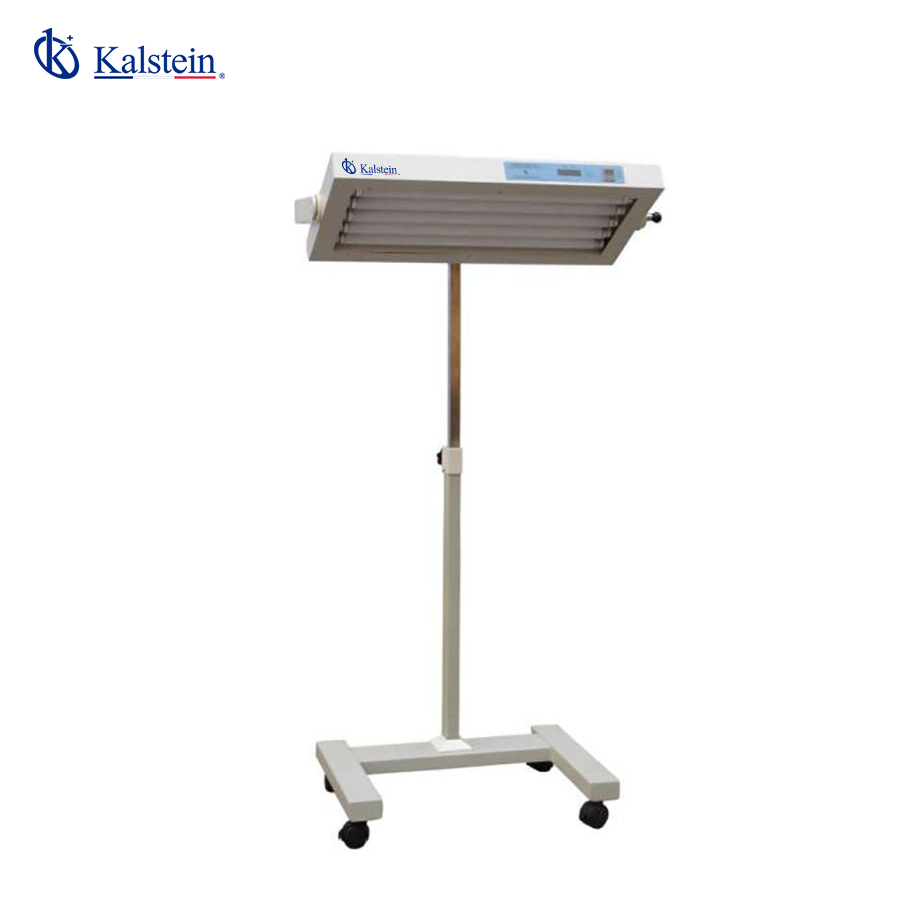
Infant Bilirubin Phototherapy Unit, Brand Kalstein
When it comes to neonatal care, Kalstein has emerged as a frontrunner with its cutting-edge Infant Bilirubin Phototherapy Units. These devices are essential in effectively managing jaundice in newborns, a common condition caused by elevated bilirubin levels in the blood. As someone who has tested these phototherapy units firsthand, I can attest to their efficiency and reliability in clinical settings.
Kalstein has prioritized both functionality and user-friendliness in its design, ensuring that healthcare professionals can operate these units with ease. Their products undergo meticulous testing to ensure they meet the high standards expected in neonatal wards worldwide. The impact that such well-engineered phototherapy devices have on child health is profound, and it’s evident that Kalstein’s models are designed with the best interests of both the infants and healthcare workers in mind.
Characteristics of the Infant Bilirubin Phototherapy Unit
These units are equipped with advanced features that cater to the delicate needs of newborns. A standout feature is their use of LED lights, which are not only energy-efficient but also emit the specific wavelengths required for optimal bilirubin breakdown. This ensures that infants receive the right intensity of light without any adverse effects.
Kalstein’s phototherapy units offer adjustable brightness and position settings, making it easier to tailor treatment to each individual infant. Additionally, the units are designed to be compact and mobile, allowing for easy transportation within the medical facility. Safety is another critical aspect; the devices come with a digital interface that allows practitioners to monitor treatment duration and intensity precisely.
Different Types or Models of the Infant Bilirubin Phototherapy Unit
Kalstein offers a variety of models to meet different clinical needs. These range from basic units suitable for small clinics to advanced models equipped with extra features for specialized hospital care. Each model shares a core commitment to efficiency and safety, with slight variations in their features to cater to different user requirements.
For instance, their high-end models include additional options such as integrated alarm systems and enhanced cooling mechanisms that ensure the baby is always in a safe and comfortable environment. Whether it’s a busy metropolitan hospital or a remote rural clinic, Kalstein provides a suitable solution for managing neonatal jaundice effectively.
Why Does the Infant Bilirubin Phototherapy Unit Have This Price?
The pricing of these units reflects the high quality of materials and the innovative technology used in their design. Kalstein ensures that their devices incorporate the latest advancements in phototherapy, including state-of-the-art LED technology and robust safety features, which naturally impacts the cost.
Moreover, investing in these units translates to long-term savings for healthcare facilities. Their durability and energy efficiency reduce maintenance and operating costs over time. In the realm of neonatal care, where the margin for error is slim, the reliability and effectiveness of Kalstein’s units justify their price point.
Compare the Infant Bilirubin Phototherapy Unit with Similar Products
When comparing Kalstein’s Infant Bilirubin Phototherapy Unit to those from competitors like GE Healthcare and Dräger, several distinct advantages emerge. While all brands aim to reduce bilirubin levels safely and quickly, Kalstein distinguishes itself with superior LED technology and user-friendly design.
GE Healthcare’s offering includes effective phototherapy units, but they often come at a higher price with similar features. Dräger provides competing units that emphasize durability but tend to sacrifice compactness, which can be crucial in space-limited settings. Kalstein’s models manage to balance these aspects effectively, combining quality, efficiency, and affordability.
Pros and Cons of the Infant Bilirubin Phototherapy Unit
| Pros | Cons |
|---|---|
| Energy-efficient LED lights | Initial investment cost |
| Compact and portable design | May require periodic calibration |
| Adjustable settings for personalized care | Limited models for certain budgets |
| Safe and precise digital interface | Learning curve for new users |
| Durable construction | Replacement parts can be costly |
| Long-term cost savings on operation | Availability in some regions |
| High effectiveness with quick results | |
| Positive feedback from healthcare professionals |
Benefits of Using These Infant Bilirubin Phototherapy Units
The primary benefit of Kalstein’s phototherapy units is their ability to rapidly and safely reduce high bilirubin levels in newborns, thereby preventing potential complications like kernicterus. These units are designed to maximize treatment effectiveness while minimizing any discomfort for the infant.
The units also offer peace of mind to healthcare providers and parents alike. The precision and safety features built into each device ensure that treatment is both effective and gentle, an essential combination for the vulnerable population it serves.
Other Advantages of the Infant Bilirubin Phototherapy Units
One notable advantage is the energy efficiency of these units. Utilizing LED lights significantly reduces power consumption compared to traditional phototherapy bulbs, making them more environmentally friendly and economically viable over long periods.
Moreover, their easy-to-clean design and resistance to wear and tear contribute to their long-term usability. These factors reduce the need for frequent replacements or repairs, adding to their suitability for busy medical environments where reliability is crucial.
User Feedback on the Infant Bilirubin Phototherapy Units
Feedback from users has been overwhelmingly positive. Many healthcare professionals commend the units for their ease of use and the noticeable results they achieve in a short amount of time. One user noted how the device’s compact nature allowed it to fit seamlessly into their limited workspaces.
Parents have also expressed gratitude for the speed and effectiveness of treatment, highlighting how quickly their newborns’ conditions improved once phototherapy was initiated. Overall, the units have garnered a reputation for reliability and exceptional performance in neonatal care.
Frequently Asked Questions
How do the Kalstein phototherapy units help in treating jaundice?
These units use specific wavelengths of LED light to break down bilirubin in the infant’s blood, effectively treating jaundice and preventing more severe health issues.
Are Kalstein phototherapy units safe for newborns?
Yes, they are designed with multiple safety features, including adjustable treatment intensity and a protective digital interface to ensure safe use.
What makes Kalstein phototherapy units energy efficient?
They utilize LED lights, which consume less power compared to traditional light sources used in older phototherapy models.
Can these units be transported easily within a facility?
Absolutely, the units are compact and equipped with wheels or lightweight designs to facilitate easy movement.
Is the initial cost justified by the benefits?
Yes, the initial investment is offset by long-term savings in energy and maintenance costs, along with the effectiveness of treatment.
What should I consider when choosing a phototherapy unit?
Consider the energy efficiency, ease of use, safety features and compatibility with your facility’s needs when choosing the right model.
Final Recommendations on These Infant Bilirubin Phototherapy Units
The Infant Bilirubin Phototherapy Units from Kalstein represent a significant advancement in newborn healthcare, blending technology with practicality. They are a worthy investment for any medical facility prioritizing effective neonatal care. Their features and benefits have positioned them as a reliable choice for safe and efficient jaundice treatment in infants. For more detailed information and options, you can visit this link.