Spectrophotometers
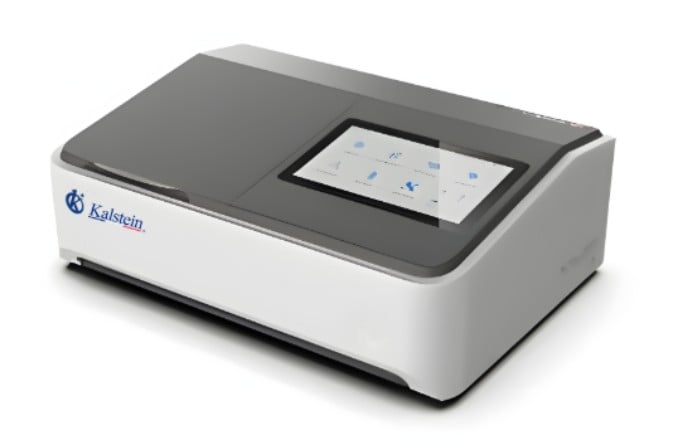
Spectrophotometers are essential instruments in laboratories for measuring the intensity of light at different wavelengths. They play a crucial role in various fields, including chemistry, biology, and environmental science, enabling precise analysis of substances.
These devices help in determining the concentration of analytes in a solution, making them invaluable for research and quality control processes. Understanding the different types of spectrophotometers can significantly enhance your laboratory's analytical capabilities.
Types of spectrophotometers your laboratory may need
Double beam
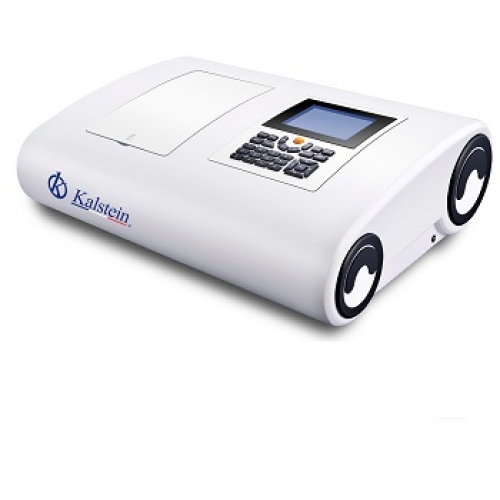
Double beam spectrophotometers are designed to measure the intensity of light in two separate beams, one passing through the sample and the other through a reference. This design enhances accuracy by compensating for fluctuations in light source intensity.
They are ideal for quantitative analysis, allowing for precise measurements in various laboratory applications, especially when dealing with complex samples that may interfere with results.
Unique beam
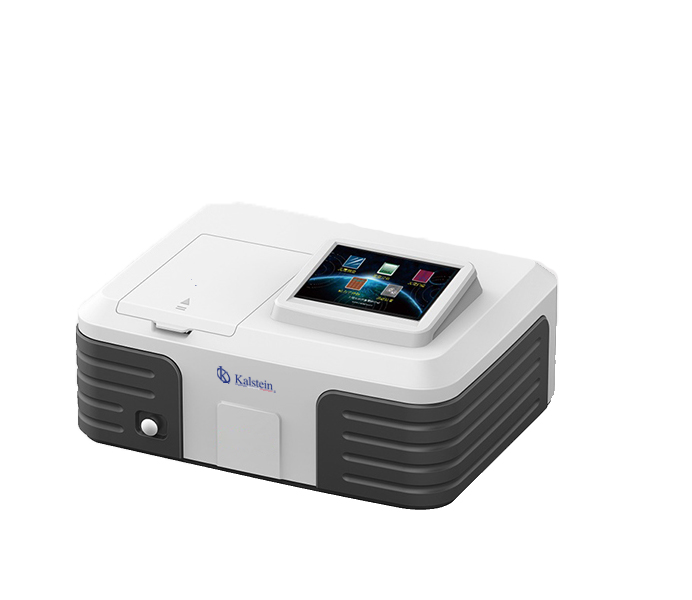
Unique beam spectrophotometers utilize a single beam of light that passes through the sample, making them simpler and more compact. They are typically more affordable and easier to use, making them suitable for routine laboratory tasks.
Though they may not provide the same level of precision as double beam models, they are effective for general applications and are widely used in educational settings and smaller laboratories.
What you should know before selecting a spectrophotometers and making an investment
Key factors to consider
When selecting a spectrophotometer, consider the wavelength range, accuracy, and the type of analysis you will perform. Different applications may require different capabilities, so understanding your specific needs is crucial for making the right choice.
Additionally, evaluate the ease of use and software compatibility, as these factors can significantly impact your laboratory's efficiency and productivity.
Market price range
The market price for spectrophotometers can vary widely based on features and technology. Entry-level models can start as low as a few hundred dollars, while advanced systems can exceed several thousand dollars.
It's essential to balance your budget with the capabilities required for your applications to ensure you invest wisely in laboratory equipment.
Value for money
Investing in a spectrophotometer requires a careful assessment of value for money. Consider the long-term benefits of durability, accuracy, and support from the manufacturer when evaluating options.
Also, look for additional features such as software integration and warranty offerings to enhance the overall value of your investment.
Expected lifespan based on use and maintenance
The lifespan of a spectrophotometer can depend significantly on its usage and maintenance. Regular calibration and proper handling can extend the life of the equipment, ensuring consistent performance over time.
Understanding the maintenance requirements and potential repair costs is essential to making an informed investment decision, maximizing the longevity of your equipment.
SPECTROPHOTOMETERS KALSTEIN
Discover spectrophotometers for your laboratory
Explore our range of spectrophotometers designed to meet the needs of various laboratory applications. With state-of-the-art technology and reliable performance, Kalstein spectrophotometers ensure accurate and efficient analysis.
YR06702//YR06702-3 Series Single and Dual Beam UV-Visible Spectrophotometer
Kalstein YR06702 series of UV-Visible Spectrophotometers represents the gold standard in photometric analysis for laboratories demanding absolute prec
View productOur best-selling spectrophotometers
YR06702//YR06702-3 Series Single and Dual Beam UV-Visible Spectrophotometer
Design and Technology: Cutting-Edge Functionality
The YR06702 series design has been optimized to minimize stray light (≤0.05%T) and maximize resolution. While the base model offers a bandwidth of 1.8 nm, the premium YR06702-3 version allows for variable bandwidth (0.5/1/2/4 nm), ideal for research requiring extremely fine peak discrimination. The robust optical system and the option for data output via Bluetooth or USB ensure quick and error-free integration of results into your LIMS.Frequently Asked Questions (FAQ)
- What is the main difference between the single-beam and dual-beam models? The single-beam (YR06702) is ideal for routine high-speed measurements, while the dual-beam (YR06702-1/3) automatically compensates for light source fluctuations and solvent noise, offering greater stability in complex analyses.
- Does it require external software to operate? No, it has a built-in standalone operating system. However, we offer optional PC software for deeper data analysis and regulatory compliance.
Advantages and Disadvantages
Advantages:- High Precision: Wavelength accuracy up to ±0.1 nm in higher models.
- Modern Interface: Color touchscreen that eliminates the need for peripherals.
- Preheating: Requires 2 hours to reach maximum stability of 0.001 A/h.
- Weight and Size: As they are high-precision equipment, they require a fixed and level table space.
Product Use in the Field
In clinical settings , these spectrophotometers are essential for quantifying nucleic acids and proteins. In the environmental industry , they are used to detect contaminants in water using highly linear calibration curves. Thanks to their photometric range of -0.3 to 3 Å, researchers can analyze samples with varying concentrations without excessive dilution, optimizing turnaround time in the laboratory.Recommendations and Maintenance
To ensure the longevity of your YR06702 Series Spectrophotometer , it is recommended that you:- Electrical Stabilization: Use a voltage regulator to protect deuterium and tungsten lamps against power spikes.
- Optical Cleaning: Clean the cuvettes with spectroscopic grade solvents to avoid interference in the reading of diffuse light.
- Periodic Calibration: Although the equipment is highly stable, a semi-annual validation of the wavelength accuracy using certified filters is suggested.
Technical Specifications
| Model | YR06702 | YR06702-1 | YR06702-2 | YR06702-3 |
| Optical System | Keep it simple | Double the Do | Double the Do | |
| Light Source | Tungsten (W) and Deuterium (D2) Lamp | |||
| Wavelength Range | 190-1100 nm | |||
| Bandwidth | 1.8 nm | 1 nm | 0.5 / 1 / 2 / 4 nm | |
| Screen | 7-inch touchscreen | 10-inch touchscreen | ||
| Wavelength Accuracy | ±0.5 nm | ±0.1 nm at D2 656.1 nm, ±0.3 nm at full range | ||
| Wavelength Repeatability | ≤0.2 nm | ≤0.1 nm | ||
| Photometric Accuracy | ±0.3%T (0-100%T); ±0.002Abs (0-0.5Abs); ±0.004Abs (0.5-1.0Abs) | |||
| Photometric Repeatability | ≤0.1%T (0-100%T); ≤0.001Abs (0-0.5Abs); ≤0.002Abs (0.5-1.0Abs) | |||
| Stability | ≤0.001 A/h @ 250 nm and 500 nm (2 h preheating) | |||
| Photometric Range | -0.3-3 A, 0-200% T, 0-9999 C | |||
| Diffused light | ≤0.05% T at 220 nm and 360 nm | |||
| Control Mode | Standalone system or PC software (Optional) | |||
| Data Output | USB or Bluetooth port (Optional) | |||
| Energy Requirement | AC 110/220 V, 50/60 Hz | |||
Detailed analysis of spectrophotometers for an effective and safe choice
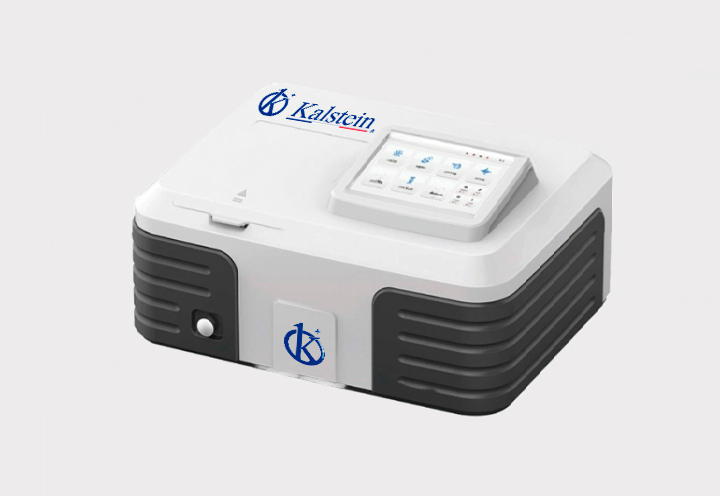
Comparing Double Beam Spectrophotometers: Kalstein YR01862 vs. Shimadzu UV-1900i
The spectrophotometer is an essential tool in laboratories for measuring the absorbance or transmittance of liquids, which is crucial for various analyses. Among the numerous available models, the Spectrophotometer Double Beam YR01862-1 - YR01862-2 by Kalstein and the UV-1900i Double Beam Spectrophotometer by Shimadzu stand out. Both products offer cutting-edge technology for reliable and accurate
Advanced Comparison of Double Beam UV/VIS Spectrophotometers: Kalstein vs. Shimadzu
When it comes to precision and functionality in laboratory equipment, spectrophotometers are essential tools for a variety of applications. In this comparative analysis, we delve into the details of the Double Beam UV/VIS Spectrophotometer C- YR01863 / YR01865 from Kalstein and the UV-1800 Double Beam Spectrophotometer from Shimadzu. Both devices offer advanced features that cater to scientifi
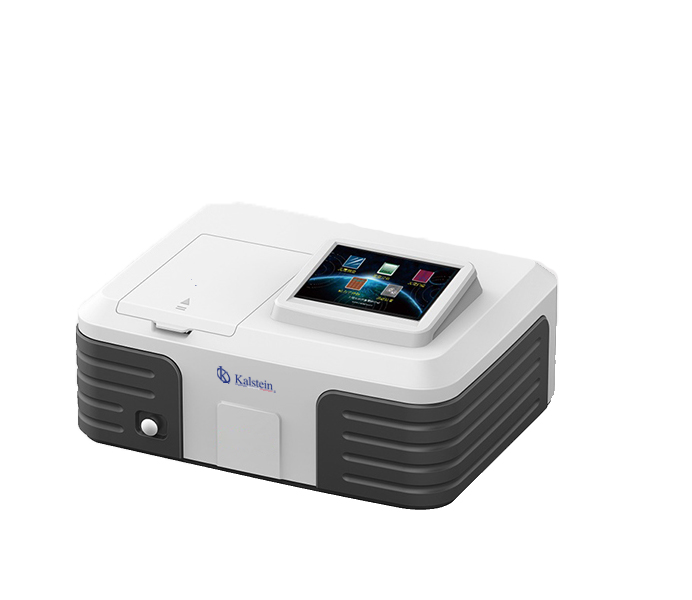
Comparative Analysis of the Double Beam UV/Vis Spectrophotometer YR01862 and Shimadzu UV-2600i
In the rapidly evolving world of laboratory technology, selecting the right spectrophotometer is crucial for accuracy and efficiency. This article delves into a detailed comparison between two top-tier UV/Vis spectrophotometers: the Double Beam UV/Vis Spectrophotometer YR01862 by Kalstein and the UV-2600i by Shimadzu. Both products provide exceptional quality and precision, but subtle differences
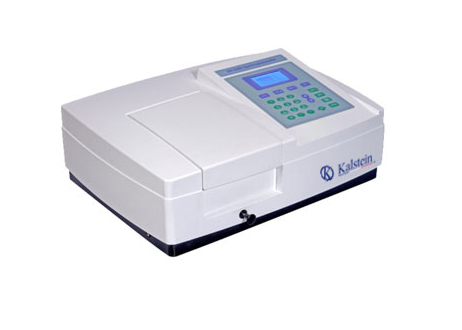
UV-Vis Spectrophotometers: Kalstein YR01857 vs. Labtron UV-6100A
In the diverse world of laboratory equipment, UV-Vis spectrophotometers play a crucial role in various scientific and industrial applications. Today, we delve into a comparative analysis of two highly regarded models: the UV VIS Spectrophotometer with Ultraviolet-Visible Scanning Software- YR01857 by Kalstein, versus the UV-6100A Double Beam UV/VIS Spectrophotometer from Labtron. Both devices
spectrophotometers offer catalog
Guides about spectrophotometers
Complete guides to choose spectrophotometers
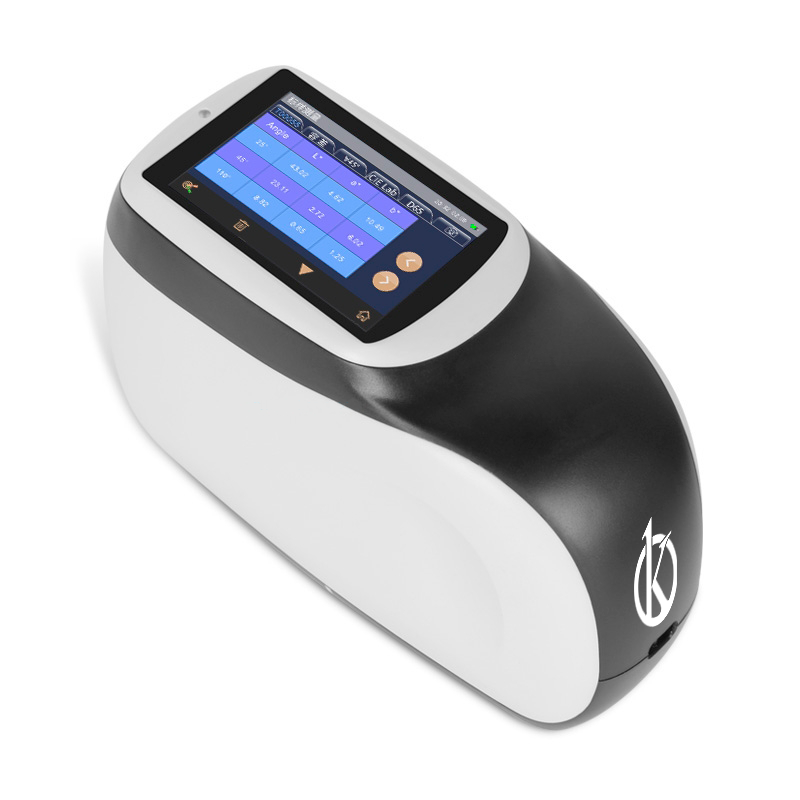
Unlocking the Spectrum: A Comprehensive Guide to Multi Angles Spectrophotometers
Multi Angles Spectrophotometer by Kalstein The multi-angle spectrophotometer designed by Kalstein has become a cornerstone in advanced analytical measurements, providing unparalleled accuracy and flexibility. These devices are crucial for l
Leer más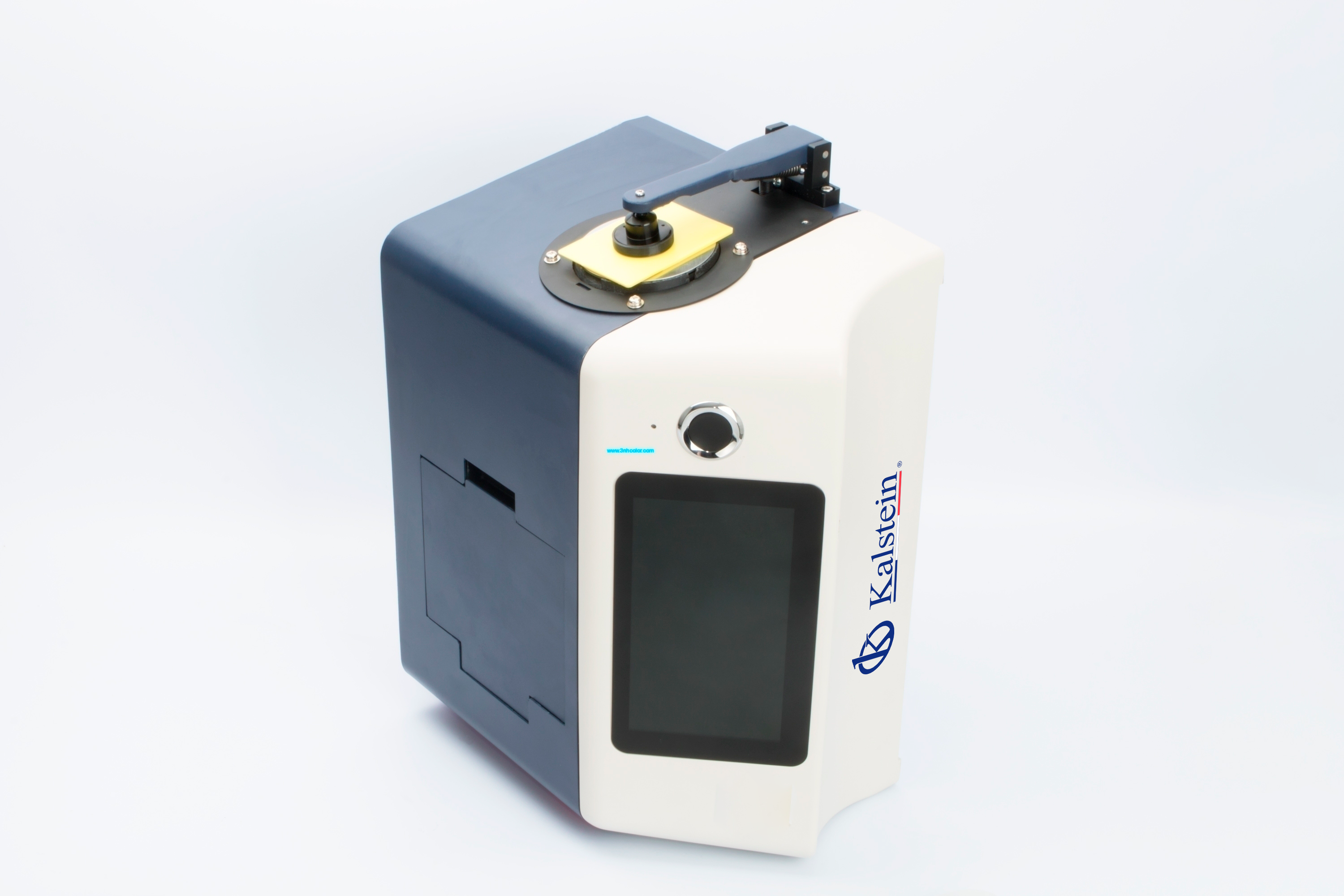
Unveiling the Potential of Kalstein Spectrophotometers: Benchmarks in Laboratory Innovation
Kalstein Spectrophotometers: Cornerstones of Precision As someone who has spent considerable time working with lab equipment, I can attest to the transformative power of Kalstein Spectrophotometers. These instruments, essential to any moder
Leer más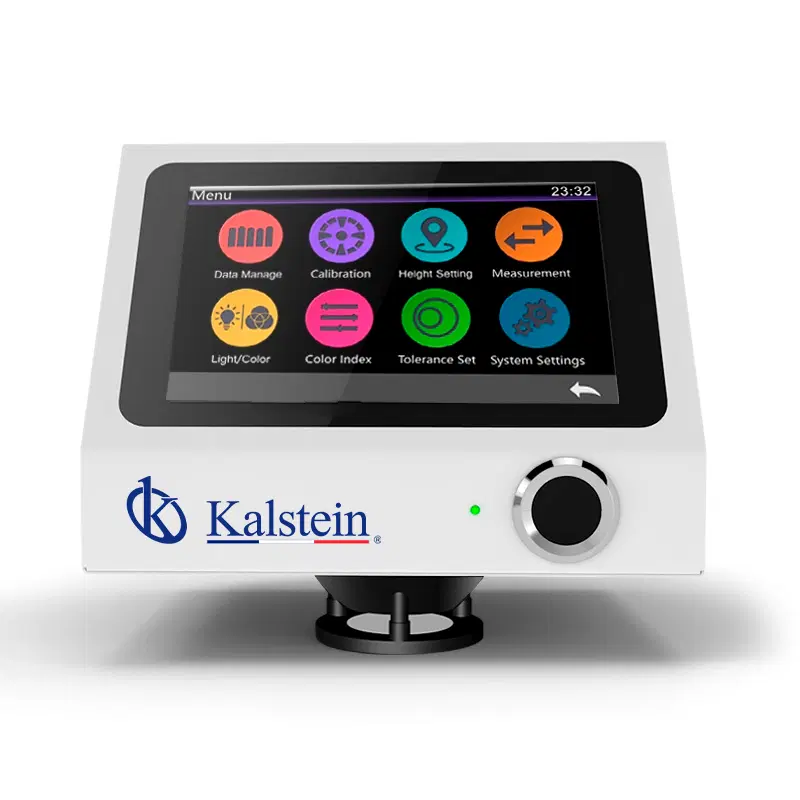
Spectrophotometers: Advanced Optical Analysis for Scientific Research
Spectrophotometers Spectrophotometers are fundamental instruments in the field of scientific and analytical research, used to measure the light absorption of a sample at different wavelengths. This optical analysis provides crucial informat
Leer másModern Spectrophotometers: Analytical Precision for Advanced Research
When it comes to conducting advanced research requiring analytical precision, Kalstein's modern spectrophotometers are an outstanding choice. These devices, designed with the latest technology in mind, offer a range of features that set the
Leer másFrequently asked questions about Spectrophotometers
How to know the prices of Spectrophotometers?
To know the price of Spectrophotometers, please send us an email with your request through the contact form AQUI.
What are the delivery times for Spectrophotometers?
Delivery time depends on stock availability and freight type (air or sea). In stock: air 15-30 days, sea 45-60 days. Out of stock: air 30-60 days, sea 60-90 days.
How to make a purchase of Spectrophotometers?
You can buy by email ([email protected]), phone (+33 (0) 1 70 39 26 50) or through the official Kalstein website in your country.
How does the warranty work for Spectrophotometers?
All Kalstein equipment comes with a 1-year warranty against manufacturing defects. The warranty does not cover damage from improper installation or misuse. See our «terms and conditions» AQUI.
Can I request a quote online for Spectrophotometers?
Yes, you can request a quote for the Kalstein equipment you are interested in directly from our official website. Click AQUI.