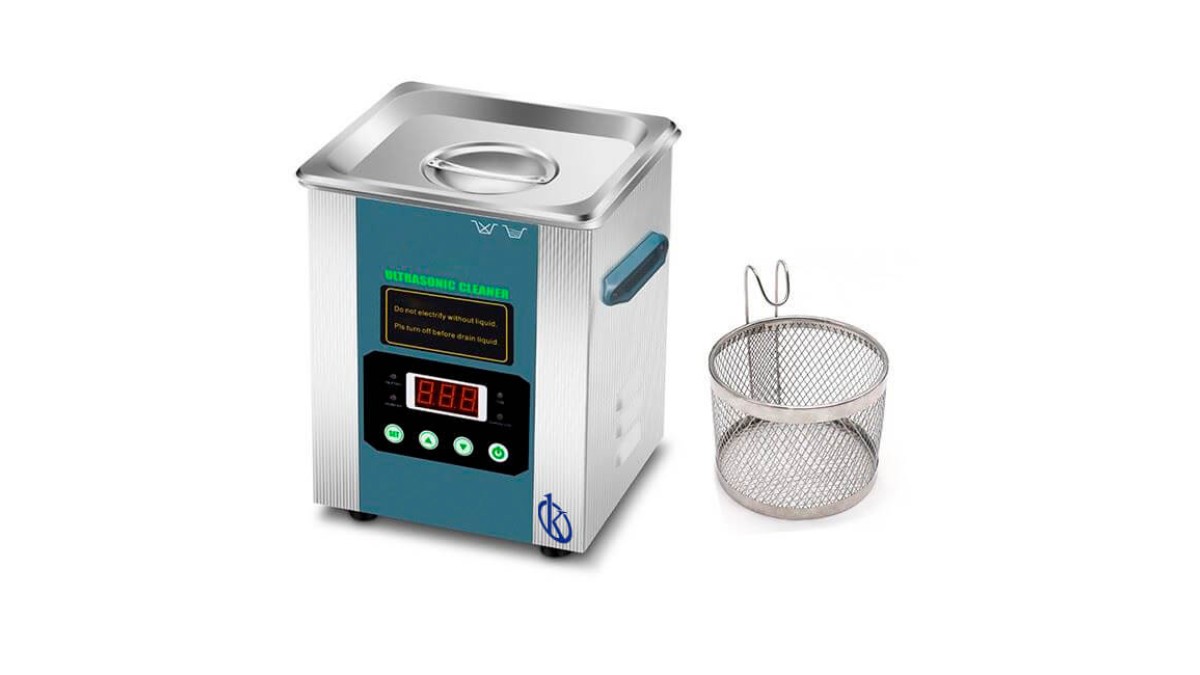
Digital Display Ultrasonic Cleanser: Practical Step-by-Step Guide 2026
In the evolving world of laboratory equipment, digital display ultrasonic cleaners have emerged as essential tools for cleaning delicate and intricate instruments. These devices utilize high-frequency sound waves to create microscopic bubbles in a cleaning solution, leading to effective and thorough cleaning.
What is it used for in 2026
In 2026, digital display ultrasonic cleaners are primarily used in various industries such as jewelry, electronics, medical, and precision manufacturing. They are particularly effective for cleaning items like jewelry, optical components, intricate mechanical parts, and laboratory instruments. Their ability to reach tiny crevices and remove contaminants without damaging surfaces makes them invaluable in maintaining the integrity of sensitive equipment.
History and evolution of the technology
The technology behind ultrasonic cleaners dates back to World War II when it was first utilized for cleaning delicate instruments and parts. Over the decades, advancements in transducer technology and digital control have led to more efficient models. In recent years, the integration of digital displays and programmable settings has enhanced user control and precision, catering to the specific needs of various industries.
How to use it step by step
Using a digital display ultrasonic cleaner is straightforward. Here’s a step-by-step guide:
- Prepare the cleaning solution: Fill the tank with an appropriate cleaning solution, ensuring it is compatible with the items to be cleaned.
- Load the items: Place the items in the cleaning basket, ensuring they do not touch each other or the bottom of the tank.
- Set the parameters: Select the desired cleaning time and temperature using the digital display.
- Start the cleaning process: Press the start button to initiate the cleaning cycle.
- Remove and rinse items: Once the cycle is complete, carefully remove the items and rinse them with distilled water to eliminate any residual cleaning solution.
- Dry the items: Use a soft towel or air dry the cleaned items thoroughly before storage or use.
Best techniques and protocols
For optimal cleaning results, follow these best techniques and protocols:
- Use a suitable cleaning solution that is specific to the material of the items being cleaned.
- Adjust the ultrasonic frequency based on the type of contaminants and items; lower frequencies are effective for heavy soil, while higher frequencies are best for delicate items.
- Consider the temperature of the cleaning solution; warmer solutions often enhance cleaning effectiveness.
- Avoid overloading the cleaner to ensure effective cavitation and prevent damage to items.
Practical applications by laboratory type
Digital display ultrasonic cleaners find applications across various laboratory environments:
- Jewelry Laboratories: Regular cleaning of gemstones and intricate settings to restore shine and remove dirt.
- Medical Laboratories: Effective cleaning of surgical instruments and laboratory glassware to ensure precision and hygiene.
- Electronics Laboratories: Cleaning electronic components and circuit boards where traditional cleaning methods may cause damage.
Regulations, standards and certifications
Compliance with regulations is crucial when using ultrasonic cleaners, especially in medical and laboratory settings. Ensure that the equipment meets the following standards:
- ISO 13485 for medical device quality management.
- CE certifications for safety and health regulations in Europe.
- RoHS compliance to ensure that electronic devices are free from hazardous substances.
Comparison with alternative technologies
While ultrasonic cleaners are highly effective, there are alternative cleaning methods such as:
- Sonic Cleaning: Similar technology but operates at a lower frequency, suitable for less delicate items.
- Chemical Cleaning: Utilizes chemical agents for cleaning, which may not be as thorough as ultrasonic cleaning.
- Mechanical Cleaning: Involves physical scrubbing, which can wear down delicate surfaces over time.
Comparison of available models
| Model | Best for | Key specs | Recommended use case |
|---|---|---|---|
| YR05208 | Jewelry | 2L, 70W, 40kHz | Cleaning jewelry and small items |
| YR05209 | General Household | 2L, 70W, 40kHz | Versatile cleaning for various household items |
| YR05212 | Heated Cleaning | 4.5L, 180W, 40kHz | Heavy-duty cleaning with heating |
| YR05213 | Heated Cleaning | 6.8L, 180W, 40kHz | Ideal for larger items needing thorough cleaning |
| YR05214 | Large Volume | 11L, 240W, 40kHz | Cleaning large batches of items |
| YR05215 | High Capacity | 15L, 360W, 40kHz | Best for industrial applications |
Common mistakes and how to avoid them
When using ultrasonic cleaners, avoid these common mistakes:
- Using the wrong cleaning solution: Always select a cleaning solution compatible with the items being cleaned.
- Overloading the tank: Ensure there is enough space for the cleaning solution to circulate around items.
- Neglecting maintenance: Regularly clean and maintain the ultrasonic cleaner to ensure optimal performance.
Maintenance, calibration and good practices 2026
For longevity and effectiveness, adhere to these maintenance practices:
- Regularly clean the tank and transducer area from residues.
- Perform weekly calibrations to ensure settings are accurate.
- Document maintenance activities and any issues for future reference.
Cost-benefit analysis 2026
In 2026, the cost-benefit analysis of investing in a digital display ultrasonic cleaner reveals significant advantages:
- Reduced manual labor and time savings due to efficient cleaning processes.
- Increased lifespan of sensitive instruments through proper cleaning.
- Improved cleaning effectiveness leading to higher quality outputs in laboratory results.
Frequently asked questions
How do I choose the right ultrasonic cleaner for my laboratory?
Consider the size of the items you will be cleaning, the volume of usage, and whether you need heating functions. Evaluate the model specifications against your cleaning requirements to choose the best fit.
Can ultrasonic cleaners damage delicate items?
While ultrasonic cleaners are designed to be safe, certain delicate items may be at risk. It’s important to test the cleaning on a small area first or refer to manufacturer guidelines for specific materials.
What cleaning solutions are recommended for ultrasonic cleaners?
It’s best to use solutions specifically designed for ultrasonic cleaning. These solutions often contain surfactants that enhance cleaning effectiveness while being safe for the items being cleaned.
How often should I clean my ultrasonic cleaner?
Regular cleaning is crucial; ideally, you should clean the tank after each use. Additionally, perform a deep clean periodically based on the frequency of use.
What maintenance does an ultrasonic cleaner require?
Maintenance involves cleaning the tank, checking the transducer, calibrating settings, and ensuring the power supply is functioning correctly. Documenting maintenance helps track performance.
Is it necessary to heat the cleaning solution?
Heating the cleaning solution can enhance the cleaning efficacy, particularly for removing stubborn contaminants. However, it’s not always necessary for all cleaning tasks.
If you are looking for a fusion of innovation and quality, you have come to the right place. At Kalstein, we offer you the luxury of exploring our exclusive catalog of laboratory equipment. We manufacture every device to the highest standards of excellence. Our intuitive and seamless online purchasing channels are designed for your convenience, securing the most competitive prices. Hesitate no longer — we bring science to life, it is time to become part of our community.