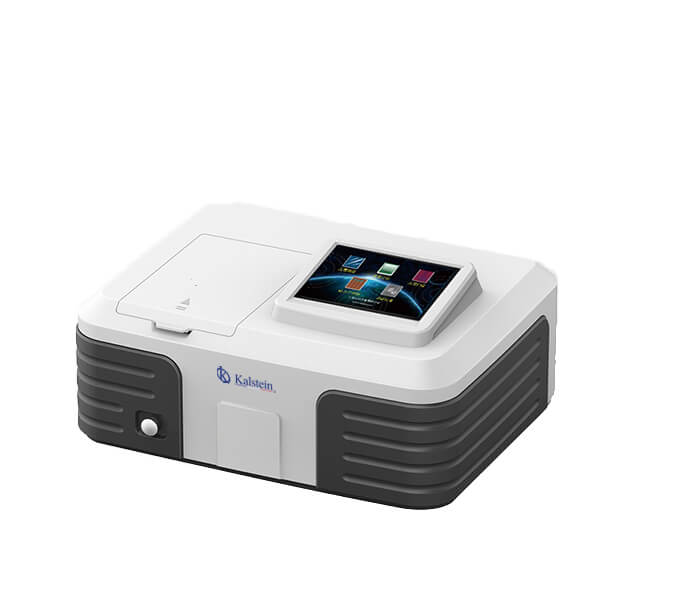
Double Beam Spectrophotometers: Common Mistakes and How to Avoid Them in Daily Operation 2026
Double beam spectrophotometers are essential tools in many laboratories, serving various applications such as quantitative analysis, dynamic measurements, and DNA/protein testing. As laboratory professionals, understanding how to maximize the use of this equipment can significantly improve workflows and results.
What is it used for in 2026
In 2026, double beam spectrophotometers are widely used in fields such as biology, chemistry, and environmental science. They are primarily employed for:
- Quantitative analysis of substances in different solutions
- Determining the concentration of proteins and nucleic acids
- Conducting dynamic measurements and kinetic studies
- Performing spectral scans across UV, visible, and near-infrared wavelengths
- Calibrating instruments for accurate photometric measurements
History and evolution of the technology
The evolution of spectrophotometry has transformed laboratory practices since the invention of the first spectrophotometer. Originally, these instruments utilized single beam technology, limiting their accuracy and reliability. The introduction of double beam technology in the 1960s marked a significant advancement, allowing for simultaneous beam comparison, reducing errors due to fluctuations in light source intensity. Over the decades, innovations in detector technology, software integration, and user interfaces have enhanced the functionality and ease of use of double beam spectrophotometers.
How to use it step by step
Using a double beam spectrophotometer involves several critical steps:
- Preparation: Ensure all components (light source, sample holder, and detector) are in working order.
- Calibration: Calibrate the instrument using a blank solution to establish a baseline.
- Sample Loading: Place your sample and reference in the designated holders.
- Setting Parameters: Input the wavelength range and other relevant parameters as needed.
- Running the Analysis: Start the measurement and monitor the readings.
- Data Analysis: Analyze the collected data using appropriate software or methods.
Best techniques and protocols
Adopting best practices in using double beam spectrophotometers ensures accuracy and reliability:
- Always calibrate with fresh blanks to avoid contamination.
- Use high-quality cuvettes to prevent scattering and absorbance errors.
- Ensure proper alignment of the optical path for consistent results.
- Utilize software features for dynamic measurements and data logging.
- Regularly run quality controls to validate instrument performance.
Practical applications by laboratory type
Different laboratories employ double beam spectrophotometers based on their specific needs:
- Biochemistry Labs: Quantifying proteins and nucleic acids.
- Chemistry Labs: Assessing reaction kinetics and concentration levels.
- Environmental Labs: Monitoring pollutants and assessing water quality.
Regulations, standards and certifications
Compliance with regulations is crucial in laboratory operations. For double beam spectrophotometers, adherence to ISO standards, Good Laboratory Practices (GLP), and appropriate calibration procedures is necessary to maintain instrument reliability and validity of results.
Comparison with alternative technologies
When compared to alternative technologies like single beam and NIR spectrophotometers, double beam systems offer greater precision and stability by simultaneously measuring sample and reference light paths, thus compensating for any variations in light intensity.
Comparison of available models
| Model | Best for | Key specs | Recommended use case |
|---|---|---|---|
| YR01858 | General laboratory analysis | 320-1100 nm, ±0.3% T accuracy | Routine photometric measurements |
| YR01862 | Complex sample analysis | 190-1100 nm, ±0.2% T accuracy | DNA/protein testing and kinetic studies |
| YR01862-1 | High precision applications | 190-1100 nm, 1.0 nm bandwidth | Advanced laboratory settings |
| YR01862-2 | Comprehensive analysis | 190-1100 nm, 1.0 nm bandwidth | Environmental monitoring and research |
| YR01864 | Routine tasks | 190-1100 nm, 1.8 nm bandwidth | General laboratory use |
| YR01865 | Versatile applications | 190-1100 nm, 1.0 nm bandwidth | Multi-faceted laboratory analysis |
Common mistakes and how to avoid them
Some frequent errors in operating double beam spectrophotometers include:
- Not calibrating regularly, leading to inaccurate measurements.
- Using contaminated cuvettes, which can skew results.
- Neglecting to zero the instrument before each run.
- Improperly setting the wavelength, causing measurement errors.
To avoid these mistakes, establish a routine calibration schedule and ensure cleanliness of all optical components.
Maintenance, calibration and good practices 2026
Regular maintenance is crucial for the longevity of your double beam spectrophotometer:
- Perform daily checks on the optical components.
- Calibrate the instrument weekly or after significant use.
- Clean the exterior and interior surfaces periodically to prevent dust accumulation.
Cost-benefit analysis 2026
In 2026, the costs associated with double beam spectrophotometers can be justified by their reliability, precision, and versatility. Although the initial investment may be significant, the return on investment is seen through improved accuracy in results and time saved in laboratory processes.
Frequently asked questions
What are the main advantages of using double beam spectrophotometers?
Double beam spectrophotometers provide enhanced accuracy and stability by simultaneously measuring the sample and reference light paths, reducing the effects of fluctuations in light intensity.
How do I choose the right model for my laboratory?
Consider factors such as the wavelength range required, the type of samples you will analyze, and the functionality needed (e.g., dynamic measurements or multi-wavelength scanning).
What maintenance is required for double beam spectrophotometers?
Regular cleaning of optical components, calibration, and ensuring the device is free from dust and contaminants are essential to maintain optimal performance.
Can double beam spectrophotometers be used for environmental testing?
Yes, these instruments are widely used in environmental labs to monitor pollutants and assess water quality due to their precision and reliability.
How often should I calibrate the spectrophotometer?
Calibration should be performed at least weekly or every time significant changes in conditions occur, such as after maintenance or when switching sample types.
What common mistakes should I be aware of while using this equipment?
Common mistakes include neglecting calibration, using contaminated cuvettes, and not zeroing the instrument before measurements.
If you are looking for a fusion of innovation and quality, you have come to the right place. At Kalstein, we offer you the luxury of exploring our exclusive catalog of laboratory equipment. We manufacture every device to the highest standards of excellence. Our intuitive and seamless online purchasing channels are designed for your convenience, securing the most competitive prices. Hesitate no longer — we bring science to life, it is time to become part of our community.