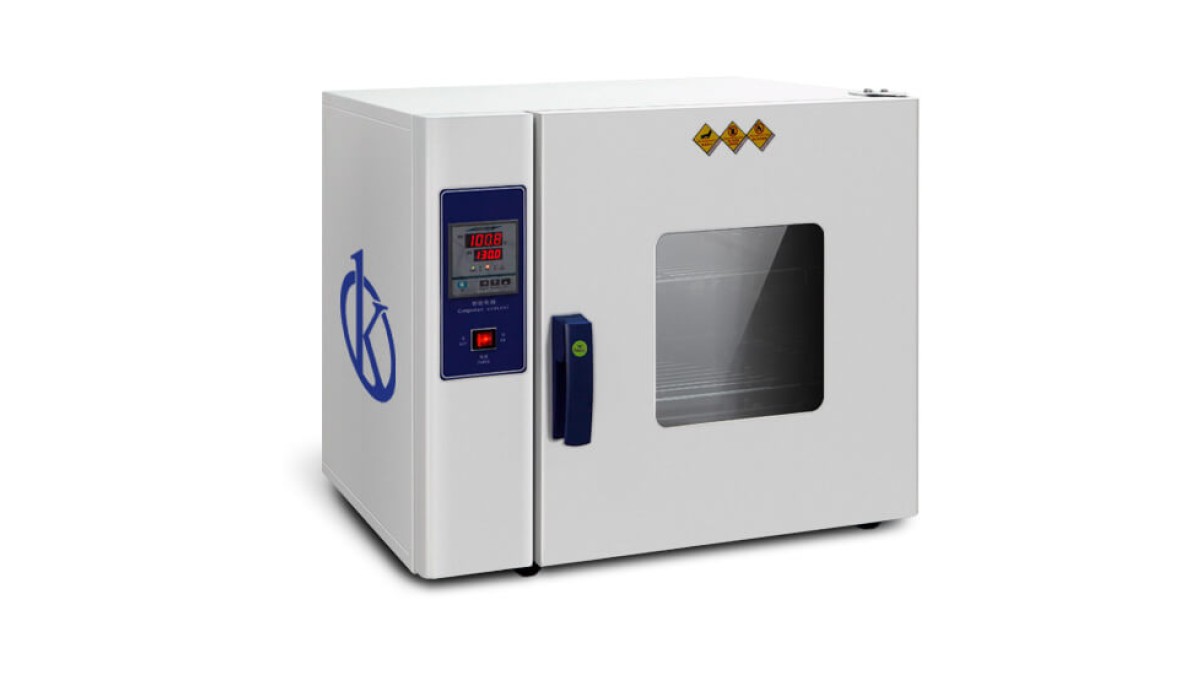
Drying Ovens: Applications in Research, Biotechnology, and Academia 2026
What is it used for in 2026
In 2026, drying ovens are essential laboratory tools widely used for various applications such as drying, sterilization, thermostatic storage, and thermal treatment. They play a critical role in research, biotechnology, and academic settings by providing controlled environments for precise temperature management. These ovens are particularly valuable in applications that require high uniformity of temperature, ensuring consistent results whether in routine experiments or advanced research protocols.
History and evolution of the technology
Drying ovens have evolved significantly over the last few decades. Initially, they were simple heating units, but modern designs now incorporate advanced technology such as microcomputer PID control, LED temperature displays, and RS-485 interfaces for computer communication. This evolution has allowed for greater precision and reliability. The shift towards stainless steel interiors and better insulation has also improved their efficiency and durability, making them indispensable in today's laboratories.
How to use it step by step
- Preparation: Ensure the oven is clean and free of any previous residues. Check the internal condition by inspecting the stainless steel surfaces.
- Set the Temperature: Utilize the LED display to set the desired temperature, typically between RT+5 to 250°C, depending on your specific application.
- Set the Timer: Configure the timer according to the drying or sterilization requirements for your samples, usually ranging from a few minutes to several hours.
- Load Samples: Arrange your samples evenly within the chamber, ensuring adequate spacing for airflow.
- Start the Oven: Activate the drying oven and monitor the temperature and timer settings during operation.
- Post-Operation: Once the cycle is complete, allow the oven to cool before unloading the samples to prevent burns and ensure safety.
Best techniques and protocols
To maximize the effectiveness of drying ovens, it's essential to follow best practices and standardized protocols. Here are several recommendations:
- Utilize proper calibration methods to ensure accurate temperature readings and consistent results.
- Regularly validate the performance of the oven with temperature mapping to identify any hot or cold spots.
- Implement standard operating procedures (SOPs) for sample loading to avoid overcrowding, which can lead to inconsistent drying.
- Document all processes meticulously for reproducibility and compliance with laboratory standards.
Practical applications by laboratory type
Drying ovens find practical applications across various laboratory types:
- Research Laboratories: Used for drying chemicals, samples, and glassware before or after experiments.
- Biotechnology Labs: Critical for sterilizing instruments and materials, ensuring a contaminant-free environment.
- Academic Institutions: Employed in teaching laboratories to demonstrate drying and sterilization techniques.
Regulations, standards and certifications
Laboratory drying ovens must comply with various regulations and standards to ensure safety and reliability. Key certifications include:
- ISO 9001 for quality management systems.
- CE marking for compliance with EU safety standards.
- ASTM and ANSI standards specific to laboratory equipment.
Comparison with alternative technologies
While drying ovens are widely used, alternative technologies include vacuum ovens and microwave drying systems. Each technology offers distinct advantages:
- Vacuum Ovens: Provide faster drying at lower temperatures, minimizing thermal degradation of sensitive materials.
- Microwave Drying: Utilizes electromagnetic waves to heat samples quickly, but may not be suitable for all types of materials.
- Conventional Ovens: Simple designs but often lack the precision found in modern drying ovens.
Comparison of available models
| Model | Best for | Key specs | Recommended use case |
|---|---|---|---|
| YR05244 | General laboratory drying | Temperature range: RT+5~250°C; Precision: ±0.1°C | Routine drying and sterilization tasks |
| YR05245 | High-performance drying | Temperature range: RT+5~250°C; Precision: ±0.1°C | Advanced research requiring high uniformity |
| YR05246 | Batch drying applications | Temperature range: RT+5~250°C; Precision: ±0.1°C | Large batch processing for quality assurance |
| YR05247 | Extensive laboratory use | Temperature range: RT+5~250°C; Precision: ±0.1°C | Maximizing throughput for varying sample sizes |
| YR05248-A | Routine laboratory drying | Temperature range: RT+5~250°C; Power: 1kW | Cost-effective solution for common lab tasks |
| YR05249-A | Versatile laboratory applications | Temperature range: RT+5~250°C; Power: 1kW | Suitable for various drying scenarios in labs |
Common mistakes and how to avoid them
Avoid these common pitfalls when using drying ovens:
- Overloading the oven, which can lead to uneven drying and compromised results.
- Failing to calibrate the temperature regularly, leading to inaccurate readings.
- Neglecting to adhere to the manufacturer's instructions for operation and maintenance.
- Forgetting to log drying times and conditions, affecting reproducibility.
Maintenance, calibration and good practices 2026
Regular maintenance and calibration are essential for optimal performance:
- Perform routine cleaning of the interior to prevent contamination and ensure efficiency.
- Calibrate temperature settings quarterly to maintain accuracy.
- Inspect seals and insulation regularly to prevent heat loss.
Cost-benefit analysis 2026
When evaluating the cost-effectiveness of drying ovens, consider the initial investment against long-term benefits:
- Higher precision models may have a higher upfront cost but can save money through efficiency and reduced sample loss.
- Assess operational costs in terms of energy consumption relative to usage frequency.
- Consider the potential for enhanced research outcomes, which can lead to funding opportunities or higher-quality results.
Frequently asked questions
What are the key features to look for in a drying oven?
Look for features such as precise temperature control, adequate capacity for your samples, efficient airflow systems, and safety features like over-temperature alarms.
How do I determine the right drying oven for my laboratory?
Consider your specific application needs, required temperature range, and frequency of use when selecting a drying oven to ensure it meets your laboratory's demands.
Can drying ovens be used for sterilization purposes?
Yes, drying ovens can effectively be used for sterilizing glassware and other equipment, provided they reach the necessary temperatures to eliminate contaminants.
How often should I calibrate my drying oven?
It is recommended to calibrate your drying oven at least quarterly or whenever you notice discrepancies in temperature readings to ensure accurate performance.
What materials should not be placed in a drying oven?
Avoid placing flammable materials, certain plastics that cannot withstand high temperatures, and moisture-sensitive compounds that could degrade under heat.
Are there any energy-efficient drying ovens available?
Yes, many modern drying ovens are designed with energy efficiency in mind, utilizing advanced insulation and optimized heating elements to reduce energy consumption.
What should I do if my drying oven is not reaching the desired temperature?
If your drying oven does not reach the desired temperature, check for calibration issues, inspect for any damage or blockages in the heating elements, and consult the manufacturer for troubleshooting advice.
If you are looking for a fusion of innovation and quality, you have come to the right place. At Kalstein, we offer you the luxury of exploring our exclusive catalog of laboratory equipment. We manufacture every device to the highest standards of excellence. Our intuitive and seamless online purchasing channels are designed for your convenience, securing the most competitive prices. Hesitate no longer — we bring science to life, it is time to become part of our community.