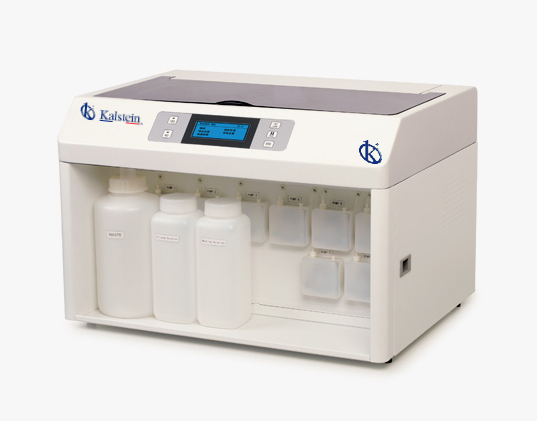
Food Safety Analyzers: Practical Applications and Techniques 2026
Food Safety Analyzers are essential tools in modern laboratories, especially for those focusing on food safety and quality control. In 2026, these analyzers play a vital role in ensuring that food products are safe for consumption and meet regulatory standards. This article will delve into various aspects of Food Safety Analyzers, including their applications, evolution, usage, and best practices.
What is it used for in 2026
In 2026, Food Safety Analyzers are primarily utilized in laboratories to detect contaminants and ensure the safety of food products. They are instrumental in testing for pesticide residues, antibiotic residues, and organic contaminants. The advanced technology embedded in these analyzers allows for rapid and reliable testing, ensuring compliance with health regulations and maintaining consumer safety.
History and evolution of the technology
Food Safety Analyzers have evolved significantly over the years, transitioning from manual testing methods to sophisticated automated systems. Initially, laboratories relied on traditional techniques such as chromatography and spectrophotometry. However, with the advent of automation and advanced detection methods, Food Safety Analyzers like the YR06090, YR06089, and YR06093 have transformed the testing landscape, offering speed, accuracy, and efficiency.
How to use it step by step
Using Food Safety Analyzers involves several steps:
- Preparation: Gather all necessary samples and reagents. Ensure that the analyzer is calibrated and ready for use.
- Sample Loading: Place the food sample in the designated area of the analyzer.
- Running Tests: Select the appropriate testing protocol on the device. For models like the YR06090, multiple tests can be run simultaneously.
- Data Collection: After testing, collect the results displayed on the analyzer. This data will help identify any contaminants present in the samples.
- Analysis: Interpret the results according to the guidelines and regulations set by food safety authorities.
Best techniques and protocols
Best practices for using Food Safety Analyzers involve:
- Regular calibration and maintenance to ensure accuracy.
- Using validated testing protocols for specific contaminants.
- Implementing quality control measures, such as running control samples alongside tests.
Practical applications by laboratory type
Different laboratories apply Food Safety Analyzers in various ways:
- Research Laboratories: Focus on analyzing new food products and developing safety protocols.
- Quality Control Labs: Regular testing of food products destined for commercial sale.
- Academic Institutions: Conduct research on food safety and educate students on best practices in food analysis.
Regulations, standards and certifications
Food Safety Analyzers must comply with various regulations and standards, including:
- FDA regulations for food safety.
- ISO standards for laboratory testing and quality assurance.
- Compliance with local food safety authorities.
Comparison with alternative technologies
While Food Safety Analyzers are widely used, alternative technologies exist, such as traditional chromatography and mass spectrometry. However, these methods often require more time, manual intervention, and specialist knowledge compared to automated analyzers. Food Safety Analyzers offer advantages such as faster results and user-friendly interfaces.
Comparison of available models
| Model | Best for | Key specs | Recommended use case |
|---|---|---|---|
| YR06090 | High-throughput testing | Capacity: Up to 40 strips per run; Precision: <+5% | Laboratories with high demand for consistent results. |
| YR06089 | Pesticide detection | Range: 0 - 4500 Abs; Speed: 5 seconds per 96-well plate | Ideal for detecting antibiotic residues and organic contaminants. |
| YR06093 | Incubation and shaking | Temperature range: 25-60 °C; Precision: ±0.5 °C | Good for labs requiring precise incubation and shaking. |
Common mistakes and how to avoid them
Common mistakes in using Food Safety Analyzers include:
- Failure to calibrate regularly — ensure consistent accuracy.
- Using incorrect sample volumes — follow the guidelines for each analyzer model.
- Neglecting to run control samples — it's crucial for validating results.
Maintenance, calibration and good practices 2026
Proper maintenance is vital for the longevity and reliability of Food Safety Analyzers. Follow these good practices:
- Regularly clean the machine and the testing areas.
- Perform calibrations according to the manufacturer's guidelines.
- Document all maintenance activities for traceability.
Cost-benefit analysis 2026
Investing in Food Safety Analyzers can yield significant benefits:
- Improved testing speed reduces time to market for food products.
- Enhanced accuracy minimizes the risk of contamination, protecting public health.
- Cost savings in labor and resources through automation.
Frequently asked questions
What should I consider when choosing a Food Safety Analyzer?
Consider factors like throughput capacity, types of tests performed, user interface, and maintenance requirements. Ensure it meets your laboratory's testing needs.
How often should I calibrate my Food Safety Analyzer?
Calibration frequency depends on the manufacturer’s guidelines, but regular checks are recommended, especially after extensive use or maintenance.
Can I use Food Safety Analyzers for different types of food products?
Yes, most Food Safety Analyzers are versatile and can test various food matrices; however, refer to the device specifications for compatibility.
What are the storage requirements for Food Safety Analyzers?
Food Safety Analyzers should be stored in a dry, stable environment, away from extreme temperatures and conditions that could affect their performance.
How can I ensure accurate results with my analyzer?
To ensure accuracy, regularly calibrate the device, use control samples, and follow the established testing protocols strictly.
Are there specific training requirements for using Food Safety Analyzers?
Yes, operators should receive training on the specific model they will be using, including how to perform tests and interpret results accurately.
Where can I request a quote for Food Safety Analyzers?
You can request a quote through Kalstein Plus, where our team will assist you with your needs and provide competitive pricing.
If you are looking for a fusion of innovation and quality, you have come to the right place. At Kalstein, we offer you the luxury of exploring our exclusive catalog of laboratory equipment. We manufacture every device to the highest standards of excellence. Our intuitive and seamless online purchasing channels are designed for your convenience, securing the most competitive prices. Hesitate no longer — we bring science to life, it is time to become part of our community.