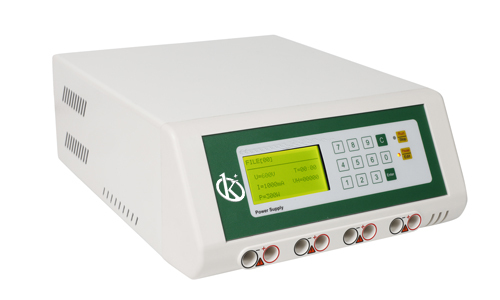
High Voltage Power Supply: Energy Sustainability and Environmental Footprint Reduction 2026
In the modern laboratory environment, the need for energy sustainability is paramount. High voltage power supplies represent a critical component in achieving this goal. As laboratories strive to reduce their environmental footprint, understanding the capabilities and efficiencies of different models is essential. This article explores how various high voltage power supplies can contribute to energy sustainability while detailing their features and specifications.
Understanding Energy Sustainability in Laboratory Settings
Energy sustainability in laboratories encompasses the efficient use of power and the reduction of waste. High voltage power supplies, such as the YR03409 and YR03408 models, are designed to operate with minimal energy consumption and optimal performance. By utilizing technologies that enhance energy efficiency, laboratories can lower their operational costs while minimizing their impact on the environment.
High Voltage Power Supplies and Their Role in Energy Efficiency
High voltage power supplies convert electrical power efficiently, which is crucial for applications requiring specific voltage and current levels. The YR03405 model, for instance, is optimized for applications needing consistent voltage output while ensuring low energy consumption. By implementing features like automatic memory functions and programmable settings, these models facilitate operational efficiency and further contribute to energy savings.
Comparative Analysis of High Voltage Power Supply Models
When choosing a high voltage power supply, several factors must be considered, including energy efficiency, output capabilities, and overall environmental impact. Below is a comparison of several models available in the market:
| Model | Output Range | Price (USD) | Best For |
|---|---|---|---|
| YR03409 | 20–3000 V, 1–200 mA | 1105.80 | Electrophoresis with energy efficiency |
| YR03408 | 20–5000 V, 1–200 mA | 1475.00 | Complex configurations requiring high output |
| YR03405 | 10–600 V, 1–500 mA | 967.20 | General laboratory applications with low energy use |
| YR03406 | 20–1600 V, 1–100 mA | 552.00 | Small experiments with limited power requirements |
| YR03407 | 20–3000 V, 1–400 mA | 1383.00 | High-demand applications requiring robust performance |
Common Mistakes and How to Avoid Them
When selecting a high voltage power supply, laboratories often overlook critical factors such as energy efficiency ratings and operational capabilities. For instance, failing to assess the consistent voltage output can result in energy waste and operational disruptions. Additionally, improperly utilizing the programmable features of models like the YR03409 can lead to inefficiencies. Laboratories should prioritize understanding the specifications and tailoring their choices to their specific energy sustainability goals.
Best Practices for Reducing Environmental Footprint with High Voltage Power Supplies
To enhance sustainability, laboratories should adopt practices such as regular maintenance and calibration of high voltage power supplies. This ensures optimal performance and reduces unnecessary energy consumption. Utilizing models with built-in energy-saving features, like the YR03408, provides laboratories with the tools needed to monitor and reduce their carbon footprint effectively. Moreover, implementing a lifecycle assessment can help in evaluating the overall environmental impact of these devices.
How Energy Consumption Metrics Influence Laboratory Choices
Understanding energy consumption metrics, such as kWh per use, is essential for laboratories aiming to minimize their environmental impact. A detailed analysis of power consumption for each model can reveal opportunities for energy savings. For example, the YR03406 model is noted for its low energy usage, making it an ideal choice for laboratories focused on sustainability without sacrificing performance.
Technological Innovations Enhancing Sustainability in High Voltage Power Supplies
Recent advancements in technology are driving the evolution of high voltage power supplies. Features like smart control systems and real-time monitoring allow laboratories to enhance their sustainability efforts. The YR03407 model's digital interface simplifies user interaction, ensuring that power supply operations align with energy-saving practices. As these technologies continue to develop, laboratories can expect more efficient and environmentally friendly options in the market.
Frequently Asked Questions
What features should I look for in a high voltage power supply for energy efficiency in 2026?
When seeking energy-efficient models in 2026, consider features like real-time monitoring and programmable settings, as seen in the YR03409. Look for power supplies with a low energy consumption rating and flexible output ranges.
How can high voltage power supplies reduce my laboratory's energy consumption in 2026?
High voltage power supplies such as the YR03408 are designed to optimize energy output based on application needs, which can significantly lower overall energy consumption. Utilizing programmable functions ensures that energy is used only when necessary.
Which high voltage power supply model is best for minimizing environmental impact in labs?
The YR03406 model is particularly effective at minimizing environmental impact due to its low energy consumption and high efficiency. Its specifications make it suitable for laboratories focused on sustainability initiatives.
What is the average cost of high voltage power supplies focused on energy sustainability in 2026?
In 2026, the average cost of high voltage power supplies like the YR03407 ranges from approximately $552 to $1475. The investment in energy-efficient models often leads to long-term savings on energy costs.
How does the output range affect energy usage in high voltage power supplies?
The output range of models like the YR03405 determines how effectively a power supply can meet application requirements while minimizing energy waste. A broader output range can lead to better energy management.
What are the benefits of programmable features in high voltage power supplies for sustainability?
Programmable features in models such as the YR03409 allow for tailored operation times and settings, which can contribute to energy savings and a reduced carbon footprint by optimizing energy use based on specific tasks.
How often should I calibrate my high voltage power supply to ensure energy efficiency?
Calibration should be performed at least once a year for high voltage power supplies like the YR03406 to ensure optimal performance and energy efficiency. Regular checks help avoid energy waste due to operational inconsistencies.
If you are looking for a fusion of innovation and quality, you have come to the right place. At Kalstein, we offer you the luxury of exploring our exclusive catalog of laboratory equipment. We manufacture every device to the highest standards of excellence. Our intuitive and seamless online purchasing channels are designed for your convenience, securing the most competitive prices. Hesitate no longer — we bring science to life, it is time to become part of our community.