
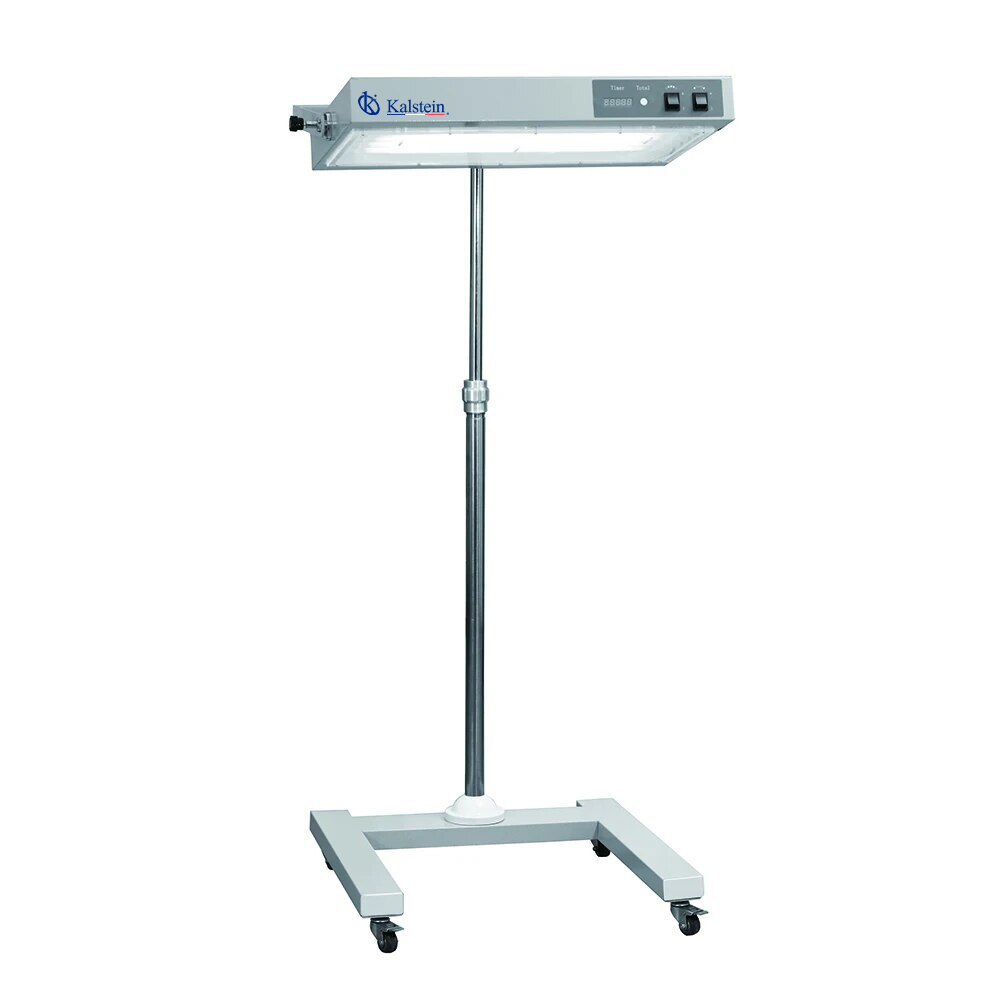
Infant Bilirubin Phototherapy Unit, Brand Kalstein
The Infant Bilirubin Phototherapy Unit from Kalstein is at the forefront of pediatric health care technology. In a world where infant care is paramount, this unit stands as a beacon of innovation and reliability. With a focus on addressing neonatal jaundice, which is a common yet concerning condition in newborns, Kalstein’s unit ensures that infants receive safe and effective treatment.
What sets this phototherapy unit apart is its amalgamation of state-of-the-art features and ease of use, making it an invaluable asset in both hospital and home care settings. It leverages advanced phototherapy techniques to reduce bilirubin levels in newborns efficiently. Users have praised its robust construction, longevity, and ease of installation — critical factors when dealing with delicate newborn care environments.
Characteristics of the Infant Bilirubin Phototherapy Unit
The Infant Bilirubin Phototherapy Unit by Kalstein is equipped with high-intensity blue light LEDs that are specifically designed to break down bilirubin in the infant’s skin. This ensures a swift and efficient reduction of bilirubin levels, providing timely relief from jaundice symptoms. The unit also features an ergonomic design which facilitates ease of accessibility and adjustment, ensuring that healthcare practitioners can focus on what truly matters: the child’s well-being.
Another notable feature is its energy efficiency. The LED technology not only reduces the electricity consumption significantly but also extends the life span of the unit, enhancing both cost-effectiveness and sustainability. Additionally, the unit’s portability allows it to be used in a variety of settings, from advanced neonatal intensive care units to rural health setups, without compromising on its efficacy or safety standards.
Different Types or Models of the Infant Bilirubin Phototherapy Unit
Kalstein offers several models of the Infant Bilirubin Phototherapy Unit, each tailored to meet diverse healthcare needs. The variety ensures that there is an appropriate model for various levels of hospital infrastructures and patient volumes. Alongside the standard models, specialized variants offer customized features such as adjustable light intensity and varied wavelength options to target specific treatment requirements effectively.
Moreover, the units are designed with a focus on the ease of mobility and storage. The different models account for diverse clinical settings, from mobile clinics to fully-equipped hospitals. This adaptability makes the Infant Bilirubin Phototherapy Unit an optimal choice for healthcare providers looking to equip their facilities with dependable and cutting-edge neonatal care devices.
Why Does the Infant Bilirubin Phototherapy Unit Have This Price?
The pricing of the Infant Bilirubin Phototherapy Unit reflects its premium build quality, innovative technology, and the critical health outcomes it supports. While seemingly an investment, the cost is a reflection of the advanced research and development that has gone into creating a device capable of effectively and safely treating neonatal jaundice.
Its durable construction, significant energy efficiency, and long lifespan collectively offer a cost-effective solution over time. Moreover, the convenience and reliability it provides in healthcare environments ensure that it is an invaluable resource for medical professionals and contributes directly to positive patient outcomes. Therefore, the investment in such a unit is justified through its direct impact on patient care quality.
Comparing the Infant Bilirubin Phototherapy Unit with Similar Products
When examining competitors’ products, like those from Atom Medical and GE Healthcare, it is clear that each offers robust solutions within neonatal care. However, the Kalstein Infant Bilirubin Phototherapy Unit stands out due to its specific technological enhancements and adaptability in various settings.
While Atom Medical focuses on comprehensive neonatal care products, its phototherapy units often require higher energy consumption. On the other hand, GE Healthcare offers units with a broad range of applications but at a higher price point, reflecting their advanced but more generalized features. Kalstein, by focusing specifically on efficient bilirubin reduction and ease of use, positions its units as highly specialized in treating jaundice. It marries unmatched energy efficiency with affordability and portability.
Pros and Cons of the Infant Bilirubin Phototherapy Unit
| Pros | Cons |
|---|---|
| High-intensity LED technology for efficient treatment | Higher initial cost compared to some basic models |
| Energy-efficient, reducing long-term costs | Requires training for optimal use |
| Portable design for diverse clinical environments | Limited models for very low-budget settings |
| Long lifespan with durable construction | May require occasional maintenance |
| User-friendly interface | Not ideal for non-medical users |
| Cost-effective considering overall value | Initial setup can be time-consuming |
| Comprehensive support and service network | Less customizable for unique scenarios |
| Specific wavelength efficiency for bilirubin breakdown | Higher competition in price from some generic brands |
Benefits of Using These Infant Bilirubin Phototherapy Units
The primary benefit of employing these phototherapy units is their ability to offer rapid and effective treatment of neonatal jaundice, a condition that can have long-term health implications if not addressed promptly. By utilizing advanced LED technology, the units are able to efficiently target and break down bilirubin, reducing jaundice symptoms much quicker than traditional methods.
Furthermore, their energy efficiency reduces operational costs, allowing healthcare facilities to allocate resources more effectively. As a result, more infants can receive high-quality care without significant increases in hospital expenses, making the unit a financially responsible choice over time.
Additional Advantages of the Infant Bilirubin Phototherapy Unit
Apart from its medical efficacy, the Infant Bilirubin Phototherapy Unit excels in user-friendliness. The interface is intuitive, requiring minimal training for medical staff, thereby reducing the room for error during treatment. This ease of use also helps in emergency situations where quick setup and initiation of therapy are critical.
In addition, its robust customer support and service options ensure that any technical issues are swiftly resolved, minimizing any potential disruptions to patient care. Combined with a portable design and comprehensive service network, the unit’s advantages extend beyond immediate medical benefits to include practical, operational enhancements in healthcare provision.
User References for the Infant Bilirubin Phototherapy Unit
Feedback from users of Kalstein’s Infant Bilirubin Phototherapy Unit highlights its reliability and effectiveness. Many healthcare professionals appreciate its ergonomic design and high-intensity treatment capability, noting that it significantly improves patient outcomes while being easy to operate.
Parents and caregivers have also lauded the unit when used for home care, mentioning its ease of use and rapid results. Testimonials often emphasize the peace of mind provided by the unit’s robust safety features and the visible reduction in jaundice symptoms, underscoring its positive impact on neonatal care.
Frequently Asked Questions
How does the Infant Bilirubin Phototherapy Unit work?
The unit uses high-intensity LED blue light to penetrate the infant’s skin and break down excess bilirubin into substances that can be easily excreted from the infant’s body.
What makes this phototherapy unit stand out compared to others?
Its specialized LED technology provides highly effective treatment for neonatal jaundice. Additionally, it offers superior energy efficiency and durability, enhancing its value over time.
Can it be used in home settings?
Yes, this unit is designed to be portable and user-friendly, making it suitable for home use under proper medical guidance.
What maintenance is required for this unit?
Routine checks to ensure LED functionality and cleanliness are recommended. Detailed maintenance guidance is provided in the user manual.
Is training required to operate this unit?
Basic training is beneficial to fully utilize its capabilities, though the unit’s design is intuitive, allowing easy operation with minimal instruction.
How soon can results be expected?
Results vary depending on the infant’s condition, but significant improvements are often seen within 48 to 72 hours of consistent use.
Final Recommendations on These Infant Bilirubin Phototherapy Units
The Infant Bilirubin Phototherapy Unit emerges as an essential tool in the landscape of neonatal care. With its ability to provide safe, efficient, and cost-effective treatment for jaundice, it is invaluable not just for hospitals but also for home care scenarios under medical advice. Its combination of advanced technology, ease of use, and economic advantages makes it a compelling choice for any healthcare provider looking to enhance the level of care offered to newborns. For detailed product specifications and purchase options, please visit Kalstein’s official page.