ISO/IEC Compliance and Regulatory Standards for Low Temperature Freezers in 2026
As laboratories face increasing scrutiny over regulatory compliance, understanding how Low Temperature Freezers align with ISO/IEC standards is crucial. These freezers play a vital role in maintaining specimen integrity, ensuring that laboratories not only meet but exceed regulatory guidelines. This article explores the relationship between ISO/IEC standards and Low Temperature Freezers while examining key models in the market, such as YR05100, YR05309, and YR05311, and how they contribute to compliance efforts.
Understanding ISO/IEC Standards Relevant to Low Temperature Freezers
ISO/IEC standards set the framework for quality assurance in laboratory environments. For Low Temperature Freezers, several specific standards must be adhered to, including ISO 17025 for testing and calibration laboratories, ISO 15189 for medical laboratories, and IEC 61010 for safety requirements. Each of these standards emphasizes the importance of equipment reliability, usability, and accurate monitoring of storage conditions.
Compliance with ISO 17025: Calibration and Traceability
ISO 17025 requires that laboratories establish a robust calibration program for their equipment. Low Temperature Freezers, such as the YR05100, are equipped with microprocessor-based temperature controllers and NTC sensors that ensure precise temperature regulation. Regular calibration of these sensors is essential for compliance, and the documentation of calibration activities should be meticulously maintained to demonstrate traceability.
ISO 15189 Compliance: Maintaining Sample Integrity in Medical Laboratories
ISO 15189 outlines the requirements for quality and competence in medical laboratories. Low Temperature Freezers, like the YR05309, offer multiple alarm functionalities, including temperature fluctuations and sensor errors. This feature is vital for maintaining sample integrity, especially in medical contexts where the quality of biological samples directly impacts test results. Adhering to this standard requires that laboratories document all alarm incidents and corrective actions taken.
IEC 61010: Safety Standards for Laboratory Equipment
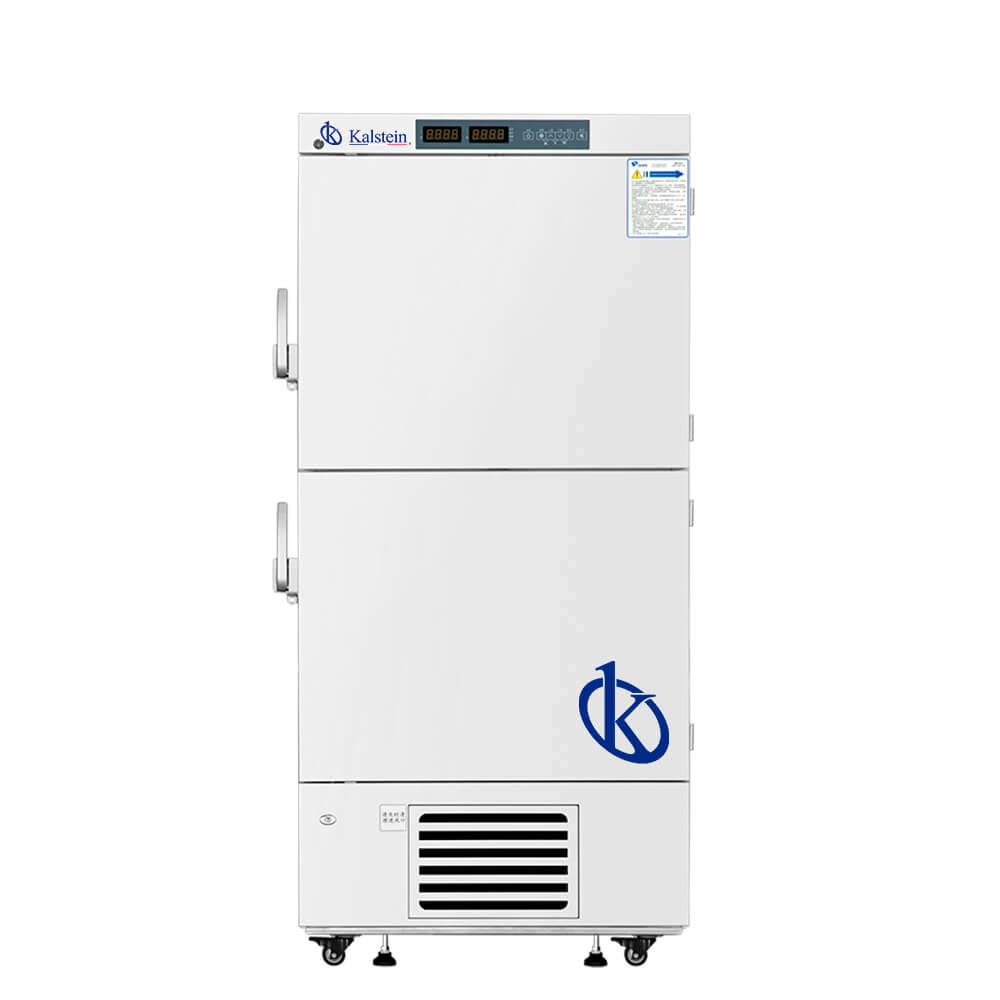
IEC 61010 addresses safety requirements for electrical equipment used in laboratories. This includes ensuring that Low Temperature Freezers have adequate safety measures to protect users from potential hazards. The YR05311 model incorporates features such as a dual-door design, which enhances safety and minimizes risk during sample retrieval. Compliance with IEC 61010 ensures that the equipment is both safe for users and reliable for specimen storage.
Documentation Requirements for ISO/IEC Compliance
Documenting compliance is a critical aspect of ISO/IEC standards. Laboratories should maintain a comprehensive record of maintenance, calibration, and performance verification for all Low Temperature Freezers. This documentation not only aids in compliance audits but also serves as a reference for internal quality assurance programs. Establishing a systematic approach to documentation ensures that laboratories can demonstrate adherence to regulatory standards effectively.
Audit Checklists to Ensure Compliance
Regular audits are essential for verifying compliance with ISO/IEC standards. Laboratories should develop an audit checklist that includes specific items related to Low Temperature Freezers, such as temperature range, calibration records, alarm functionality, and maintenance logs. By routinely conducting these audits, laboratories can proactively identify areas for improvement and ensure ongoing compliance.
Comparison of Available Models
| Model | ISO/IEC Clauses Covered | Traceability Features | Best For |
|---|---|---|---|
| YR05100 | ISO 17025, IEC 61010 | Microprocessor Control, NTC Sensor | Flexibility in Sample Sizes |
| YR05309 | ISO 15189 | Multiple Alarm Systems | Medical Laboratories |
| YR05311 | IEC 61010 | Dual Temperature Control | Laboratories and Hospitals |
Common Mistakes and How to Avoid Them
Laboratory professionals often make critical errors related to compliance, particularly regarding temperature monitoring and documentation. One common mistake is neglecting regular calibration of sensors, which can lead to non-compliance with standards such as ISO 17025. Additionally, failing to maintain proper documentation for temperature logs can create challenges during audits. To avoid these pitfalls, establish a fixed schedule for calibration and ensure that all staff are trained on the importance of accurate record-keeping.
Frequently Asked Questions
How do Low Temperature Freezers meet ISO 17025 standards in 2026?
Low Temperature Freezers like the YR05100 meet ISO 17025 standards by using microprocessor-based controls and NTC sensors for precise temperature regulation. Regular calibration of these devices is crucial for compliance, ensuring that they accurately maintain the required temperature ranges.
What is the importance of alarm systems in Low Temperature Freezers for ISO 15189 compliance?
Alarm systems in models such as the YR05309 are vital for ISO 15189 compliance as they help maintain sample integrity by alerting users to temperature deviations. These alarms ensure immediate corrective actions can be taken, reducing risks associated with sample degradation.
Which Low Temperature Freezer model is best suited for IEC 61010 compliance?
The YR05311 model is well-suited for IEC 61010 compliance due to its dual-door design and built-in safety features. These ensure user protection while maintaining the necessary conditions for safe specimen storage in laboratory environments.
How can laboratories ensure proper documentation for Low Temperature Freezers?
To ensure proper documentation, laboratories should maintain records of calibration, maintenance, and performance verification for their Low Temperature Freezers. This practice is essential for demonstrating compliance with ISO/IEC standards during audits.
What common mistakes should labs avoid when using Low Temperature Freezers?
Common mistakes include neglecting regular calibration of temperature sensors and failing to document temperature logs accurately. Laboratories should establish schedules for calibration and ensure all personnel understand the importance of compliance documentation.
How often should calibration of Low Temperature Freezers occur for compliance?
Calibration of Low Temperature Freezers like the YR05100 should occur at least annually, or as specified by the manufacturer. Regular calibration ensures that the equipment remains compliant with ISO 17025 standards for testing and calibration laboratories.
What role do Low Temperature Freezers play in maintaining sample integrity for medical labs?
Low Temperature Freezers, particularly the YR05309, play a critical role in maintaining sample integrity by providing stable storage conditions and alarm systems that alert users to any temperature fluctuations, which is essential for ISO 15189 compliance.
Which features of Low Temperature Freezers assist with compliance audits?
Features like temperature monitoring, alarm systems, and detailed calibration records assist with compliance audits. Models such as the YR05311 with dual-door designs offer safety and operational efficiency, further supporting compliance efforts during audits.
If you are looking for a fusion of innovation and quality, you have come to the right place. At Kalstein, we offer you the luxury of exploring our exclusive catalog of laboratory equipment. We manufacture every device to the highest standards of excellence. Our intuitive and seamless online purchasing channels are designed for your convenience, securing the most competitive prices. Hesitate no longer — we bring science to life, it is time to become part of our community.