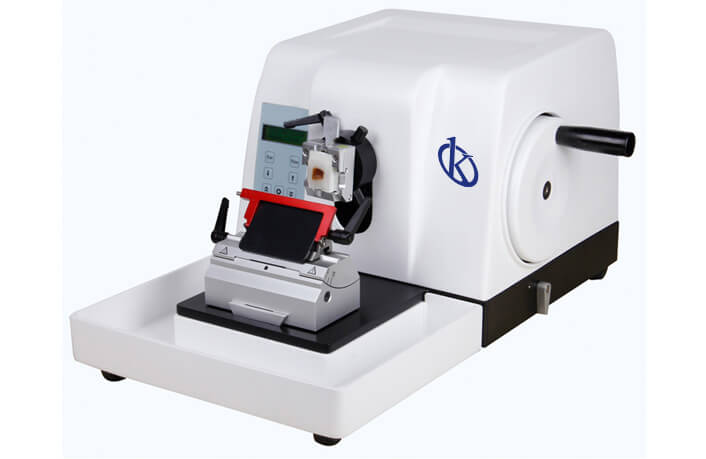
How to Ensure ISO/IEC Compliance with Microtome Series in Laboratories
In the realm of laboratory technology, ISO/IEC standards play a crucial role in ensuring quality and reliability. For laboratories focusing on pathological anatomy, utilizing microtomes that meet these standards is essential for accurate and consistent results. This article will delve into how various models from the Microtome Series align with ISO/IEC compliance, enhancing laboratory practices.
Understanding ISO/IEC Standards in Laboratory Settings
ISO/IEC standards are international benchmarks that help laboratories maintain a high level of quality in their processes. For microtomes, these standards dictate the necessary precision, usability, and safety features required in laboratory settings. Adhering to these standards not only improves laboratory workflow but also ensures that the results are reliable and reproducible.
Comparison of Available Models
| Model | ISO/IEC Clauses Covered | Traceability Features | Best For |
|---|---|---|---|
| YR417-1 | ISO 17025 | Manual adjustments for precision | General laboratory use |
| YR416 | ISO 15189 | High reproducibility measures | Clinical applications |
| YR417 | IEC 61010 | Robust operational safety | Histopathology |
| YR420 | ISO 17025 | Precision calibration tools | Research laboratories |
| YR421 | ISO 15189 | Dynamic range control | Quality assurance |
| YR422 | IEC 61010 | Enhanced operator safety | Pathological studies |
Importance of Compliance in Microtome Operation
Compliance with ISO/IEC standards ensures that microtomes function optimally and produce high-quality sections. For instance, the YR416 model, which meets ISO 15189 standards, is known for its high reproducibility, making it ideal for clinical applications where precision is critical. Regular audits and adherence to these standards can significantly improve laboratory efficacy and result accuracy.
Key ISO/IEC Standards for Microtomes
ISO 17025, ISO 15189, and IEC 61010 are pivotal in laboratory compliance. ISO 17025 focuses on the general requirements for testing and calibration labs, ensuring that results are both accurate and reliable. Meanwhile, ISO 15189 applies specifically to medical laboratories, emphasizing the importance of quality management systems. The IEC 61010 standard ensures equipment safety, crucial for operators using complex machinery such as microtomes.
How Each Microtome Model Meets ISO/IEC Standards
The Microtome Series offers various models designed to meet specific ISO/IEC compliance standards. For example, the YR421 model is equipped with features that enhance operational safety, aligning with the IEC 61010 standards, making it suitable for various laboratory environments.
Regulatory Compliance and Documentation Requirements
Proper documentation is vital for demonstrating compliance with ISO/IEC standards. Laboratories must maintain records of equipment calibration, quality checks, and maintenance schedules for models like the YR420 and YR422. Adopting a systematic approach to documentation can simplify audits and ensure adherence to regulatory requirements.
Common Mistakes and How to Avoid Them
One common mistake laboratories make is underestimating the importance of regular calibration and maintenance of microtomes. For instance, failing to calibrate the YR417 can lead to inaccurate sections, compromising test results. Laboratories should develop a routine maintenance schedule and ensure all staff are trained in compliance practices.
Frequently Asked Questions
How do I choose a compliant microtome for my laboratory needs?
Choosing a compliant microtome involves considering models like the YR416, which meets ISO 15189 standards, ensuring high reliability for clinical applications. Evaluate your laboratory's specific needs, including the types of samples processed and the required precision.
Which microtome model is best for adhering to ISO 17025 compliance?
The YR417-1 is an excellent choice for ISO 17025 compliance, offering features that support accurate testing and calibration processes essential in laboratory settings. Its design ensures that all cuts maintain the required thickness precision, crucial for quality results.
What are the traceability features in the YR417 microtome?
The YR417 microtome includes manual adjustments and precision mechanisms that enhance traceability. This is vital for labs focusing on histopathology, where section quality can directly influence diagnosis accuracy.
How often should microtomes be calibrated for regulatory compliance?
Microtomes should be calibrated at least once every six months to maintain compliance with ISO/IEC standards. The YR420 model, for instance, features built-in calibration tools that facilitate this process, ensuring consistent performance.
Which microtome model ensures operator safety according to IEC 61010?
The YR422 model is designed with operator safety in mind, meeting IEC 61010 standards. Its ergonomic design and safety features reduce the risk of accidents, making it suitable for busy laboratory environments.
How does ISO compliance affect the choice of microtome blades?
ISO compliance necessitates the use of high-quality, standardized blades that facilitate accurate slicing. When using the YR421, selecting blades that meet relevant standards ensures consistent section quality and compliance with laboratory regulations.
What factors impact the cost of complying with ISO standards in microtome operations?
Factors such as initial equipment purchase, maintenance costs, and training of personnel impact the overall cost of compliance. Investing in models like the YR416 can prove beneficial in the long run by minimizing errors and ensuring reliable results.
If you are looking for a fusion of innovation and quality, you have come to the right place. At Kalstein, we offer you the luxury of exploring our exclusive catalog of laboratory equipment. We manufacture every device to the highest standards of excellence. Our intuitive and seamless online purchasing channels are designed for your convenience, securing the most competitive prices. Hesitate no longer — we bring science to life, it is time to become part of our community.