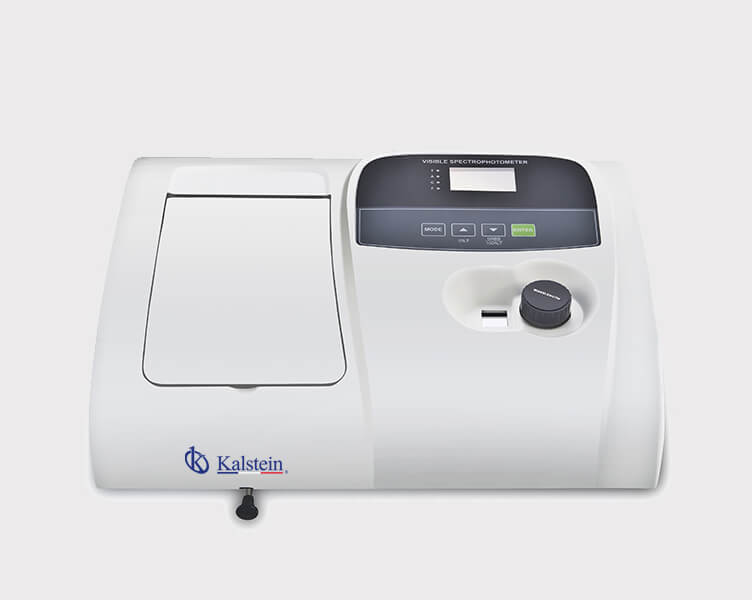
How to Optimize LIMS Integration with Unique Beam Spectrophotometers?
In the modern laboratory, the integration of laboratory information management systems (LIMS) with analytical instruments is crucial for enhancing efficiency and data accuracy. This article focuses on unique beam spectrophotometers and how they can be effectively integrated with LIMS to streamline data flows and improve laboratory workflows.
Understanding LIMS Integration
LIMS integration involves connecting laboratory instruments with software systems to manage samples, associated data, and laboratory workflows more effectively. By integrating unique beam spectrophotometers with LIMS, laboratories can ensure that all spectrophotometric data is captured, analyzed, and reported efficiently, thereby reducing manual errors and improving productivity.
Key Connectivity Protocols for Unique Beam Spectrophotometers
Integration of unique beam spectrophotometers with LIMS relies on several key connectivity protocols. These include ASTM standards, HL7, and LIS protocols, which facilitate data transfer between instruments and software. Adopting the right protocol is critical for ensuring reliable communication, especially when it comes to data integrity and traceability.
Benefits of Digitalizing Data Flow with Unique Beam Spectrophotometers
Digitalizing the data flow from unique beam spectrophotometers not only enhances operational efficiency but also improves data accuracy and traceability. With real-time data entry, laboratories can monitor and analyze their processes more effectively, leading to improved decision-making and operational excellence.
Comparison of Available Models
| Model | Wavelength Range (nm) | Bandwidth (nm) | Price (USD) | Best For |
|---|---|---|---|---|
| YR01844 | 325-1000 | 4 | 330.00 | Basic laboratory analysis |
| YR01845 | 325-1000 | 4 | 530.00 | Standard method development |
| YR01846 | 320-1100 | 2 | 690.00 | Precision wavelength tasks |
| YR01847 | 320-1100 | 2 | 840.00 | Advanced applications |
| YR01850 | 190-1000 | 2 | 790.00 | UV-Vis applications |
| YR01853 | 190-1100 | 2 | 1630.00 | Complex analysis |
Common Mistakes and How to Avoid Them
When integrating unique beam spectrophotometers with LIMS, laboratories often encounter common pitfalls such as inadequate training on software use, poor data management practices, and failure to validate data integrity. To avoid these mistakes, laboratories should ensure comprehensive user training, establish robust data management protocols, and regularly validate the integration processes to maintain data accuracy.
Frequently Asked Questions
How can I ensure my unique beam spectrophotometer integrates smoothly with LIMS?
To ensure a smooth integration, choose a model like the YR01845 that supports standard protocols such as ASTM for data compatibility. Regular software updates and staff training can also enhance the integration process.
What are the main features to look for in a LIMS-compatible spectrophotometer?
Key features include USB connectivity, software compatibility, and data output formats. Models like YR01846 offer advanced features that enhance connectivity and data management capabilities.
How does digitalizing data flow impact laboratory efficiency?
Digitalizing data flow allows for real-time data analysis and faster decision-making. For instance, integrating the YR01850 spectrophotometer with LIMS reduces manual entry errors and streamlines reporting processes.
Which spectrophotometer model is best for complex data analysis?
The YR01853 is ideal for complex data analysis due to its wide wavelength range and advanced data handling capabilities, making it suitable for laboratories requiring detailed spectrophotometric data interpretation.
What training is necessary for staff using LIMS with spectrophotometers?
Staff should receive training on LIMS operation, data entry standards, and spectrophotometer functions. Using a model like YR01844 can be beneficial for basic training due to its user-friendly interface.
How can I validate the data integrity from my spectrophotometer?
Data integrity can be validated through regular calibration and maintenance checks. Models like YR01845 have built-in calibration features that can assist in maintaining accuracy and reliability.
What steps should be taken to ensure compliance with data management regulations?
Compliance with data management regulations involves establishing standard operating procedures and regular audits. The YR01846 model supports compliance by providing detailed data logs and traceability options.
What are the cost implications of integrating a unique beam spectrophotometer with LIMS?
Initial setup costs can vary; however, investing in models like the YR01850 can yield long-term savings by improving workflow efficiency and reducing errors, ultimately lowering operational costs.
If you are looking for a fusion of innovation and quality, you have come to the right place. At Kalstein, we offer you the luxury of exploring our exclusive catalog of laboratory equipment. We manufacture every device to the highest standards of excellence. Our intuitive and seamless online purchasing channels are designed for your convenience, securing the most competitive prices. Hesitate no longer — we bring science to life, it is time to become part of our community.