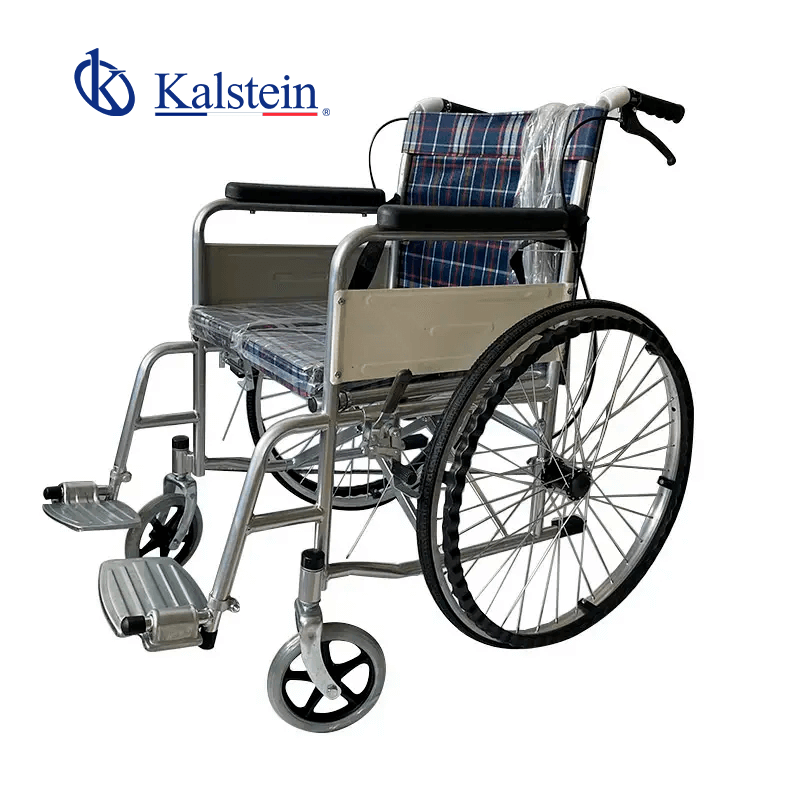
Manual Wheelchairs: Practical Applications and Techniques 2026
Manual wheelchairs play a vital role in enhancing mobility for individuals with mobility impairments. These devices are commonly used in clinical and hospital settings, facilitating patient transport and providing comfort and accessibility. In this article, we will delve into the practical applications, historical evolution, operational techniques, best practices, and the various models available in 2026.
What is it used for in 2026
In 2026, manual wheelchairs are primarily used in healthcare settings for patient mobility, rehabilitation, and daily assistance. They allow patients to move independently or with assistance, which is crucial for their recovery and overall quality of life. These wheelchairs are particularly beneficial in hospital environments, where efficient patient transport is essential. They are also used in outpatient clinics, rehabilitation centers, and home care settings.
History and evolution of the technology
The development of manual wheelchairs dates back to the early 20th century. Initially designed for disabled veterans, the technology has significantly evolved. The first models were made of wood and lacked the modern comfort features we see today. Over the decades, innovations in materials and design have transformed manual wheelchairs into lightweight, adjustable, and ergonomically designed devices that cater to diverse needs.
How to use it step by step
Using a manual wheelchair effectively involves several steps:
- Assess patient needs: Understand the patient’s mobility requirements and preferences.
- Adjust the wheelchair: Customize seat height, armrest position, and backrest angle for comfort.
- Engage brakes: Before transferring the patient, ensure the brakes are engaged to prevent movement.
- Assist the patient: Help the patient into the chair, ensuring they are securely seated.
- Position footrests: Make sure footrests are adjusted and positioned for safety.
- Begin mobility: Push the wheelchair forward, ensuring clear paths and avoiding obstacles.
- Engage brakes again after use: Secure the wheelchair post-usage to ensure safety.
Best techniques and protocols
To maximize the benefits of manual wheelchairs, follow these best practices:
- Regularly check the wheelchair for maintenance issues, such as tire pressure and brake function.
- Train staff on proper techniques for assisting patients in and out of the wheelchair.
- Encourage patient independence by allowing them to propel the wheelchair when possible.
- Utilize proper transferring techniques to avoid injury to both the patient and the caregiver.
Practical applications by laboratory type
In clinical laboratories, manual wheelchairs are utilized in various applications:
- Rehabilitation Centers: Facilitating movements during therapy sessions.
- Outpatient Clinics: Assisting patients from the waiting area to examination rooms.
- Hospitals: Transporting patients between wards and diagnostic areas.
Regulations, standards and certifications
In 2026, manual wheelchairs must comply with several standards and regulations to ensure safety and performance. These include compliance with ISO standards for medical devices and adherence to local regulations governing mobility aids. Regular audits and certifications from recognized bodies ensure that wheelchairs meet the necessary guidelines for clinical use.
Comparison with alternative technologies
When comparing manual wheelchairs with alternative mobility aids, such as electric wheelchairs, several factors come into play:
- Cost: Manual wheelchairs are generally more affordable than electric wheelchairs.
- Maintenance: Manual wheelchairs require less maintenance compared to their electric counterparts.
- Mobility: Manual wheelchairs can be more maneuverable in tight spaces.
Comparison of available models
| Model | Best for | Key specs | Recommended use case |
|---|---|---|---|
| YR05450 | Basic use | Seat Width: 46cm, Seat Depth: 45cm, Weight Capacity: 100KG | General hospital use |
| YR05451 | Lightweight transport | Seat Width: 44cm, Seat Depth: 39cm, Weight Capacity: 100KG | Outpatient transport |
| YR05456 | Adjustable support | Seat Width: 45cm, Height Adjustable | Rehabilitation settings |
| YR05452 | Travel-friendly | Seat Width: 42.5cm, Weight Capacity: 100KG | Traveling patients |
| YR05454 | General mobility | Seat Width: 46cm, Weight Capacity: 100KG | Everyday use |
| YR05453 | Durable transport | Seat Width: 46cm, Weight Capacity: 100KG | Long-term care facilities |
Common mistakes and how to avoid them
Common mistakes in using manual wheelchairs include:
- Improper adjustments leading to discomfort.
- Neglecting regular maintenance checks.
- Inadequate training for users and caregivers.
To avoid these mistakes, ensure regular training sessions for caregivers and perform routine checks on the condition of the wheelchair.
Maintenance, calibration and good practices 2026
Maintaining manual wheelchairs involves:
- Regularly checking tire pressure and ensuring wheels spin freely.
- Inspecting brake functionality to ensure patient safety.
- Cleaning the wheelchair to maintain hygiene standards.
For calibration, refer to manufacturer guidelines and keep records of any adjustments made to the wheelchair.
Cost-benefit analysis 2026
When evaluating the cost-benefit of manual wheelchairs, consider:
- Initial investment versus long-term savings on maintenance.
- Increased patient mobility leading to improved recovery times.
- Impact on caregiver workload and overall patient satisfaction.
Manual wheelchairs often provide a favorable return on investment when weighing these factors.
Frequently asked questions
What should I consider when choosing a manual wheelchair?
Consider the patient's specific needs, including their physical condition, daily activities, and the settings where the wheelchair will be used.
How do I maintain a manual wheelchair?
Regularly check tire pressure, test brakes, and clean the wheelchair to ensure it remains in good working order.
What are the benefits of manual wheelchairs over electric models?
Manual wheelchairs are generally more affordable, require less maintenance, and allow for better maneuverability in tight spaces.
How can I ensure the correct fit for the patient?
Measure the patient’s dimensions and adjust the wheelchair’s seat height, armrests, and backrest accordingly.
When should I replace a manual wheelchair?
Replace a wheelchair if it shows significant wear, fails safety checks, or no longer meets the patient’s needs.
Can I travel with a manual wheelchair?
Yes, many manual wheelchairs are designed to be lightweight and foldable for easy transport, making them suitable for travel.
What training do caregivers need for using manual wheelchairs?
Caregivers should be trained in proper wheelchair use, patient transfer techniques, and maintenance procedures to ensure safety and efficiency.
If you are looking for a fusion of innovation and quality, you have come to the right place. At Kalstein, we offer you the luxury of exploring our exclusive catalog of laboratory equipment. We manufacture every device to the highest standards of excellence. Our intuitive and seamless online purchasing channels are designed for your convenience, securing the most competitive prices. Hesitate no longer — we bring science to life, it is time to become part of our community.