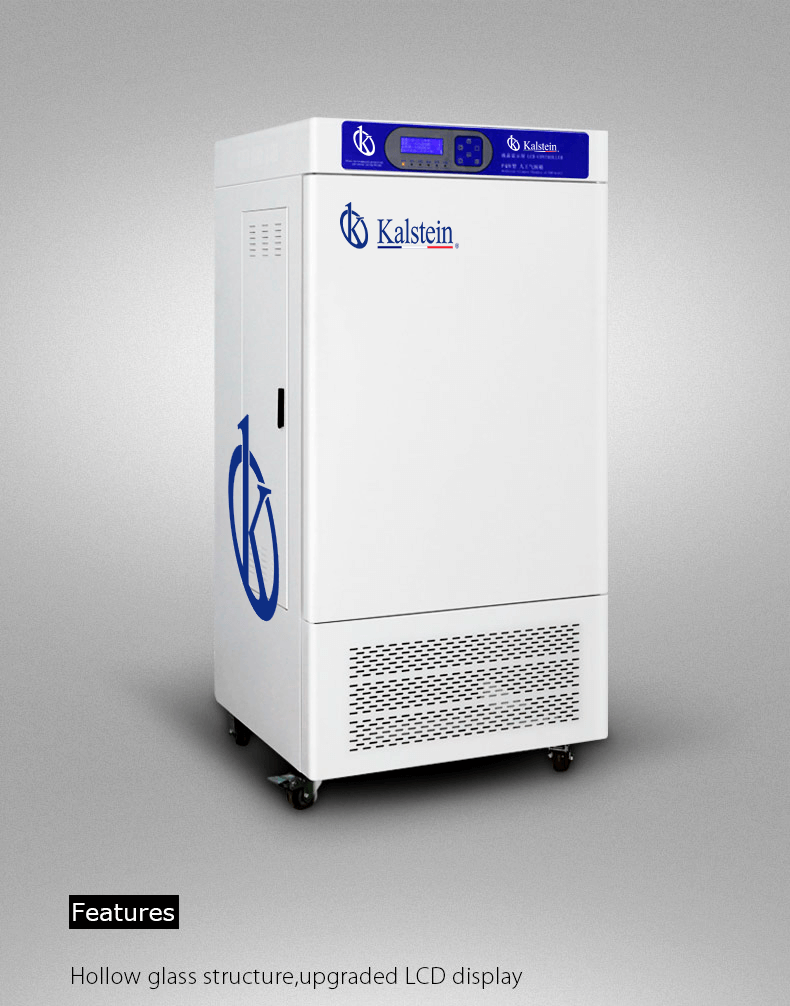
Plant Growth Chambers: Best Techniques and Protocols in 2026
What is it used for in 2026
In 2026, Plant Growth Chambers are integral to various scientific and agricultural studies. These chambers simulate environmental conditions, allowing researchers to control light, temperature, humidity, and CO2 levels. They are crucial for applications such as seed germination, plant growth studies, and microbiological research. Scientists utilize these chambers to explore plant responses to different stimuli, optimizing conditions for maximum yield and quality.
History and evolution of the technology
The history of Plant Growth Chambers dates back to the early 20th century when simple greenhouse designs were used to extend the growing season. As technology progressed, the incorporation of controlled environments became feasible. The introduction of artificial lighting and temperature control systems led to more sophisticated models. Over the years, innovations such as programmable controllers and advanced materials have enhanced the efficiency and precision of Plant Growth Chambers, making them indispensable in modern laboratories.
How to use it step by step
Using a Plant Growth Chamber effectively involves several key steps:
- Setup: Unpack the chamber and place it in a stable, controlled environment. Ensure proper electrical connections and ventilation.
- Calibration: Set up the internal environment according to the plants' needs. Adjust the temperature, humidity, and light settings as per the experimental requirements.
- Placement: Position the plants within the chamber, ensuring adequate space for growth and airflow.
- Monitoring: Regularly check and log environmental conditions using the chamber's integrated monitoring system or separate sensors.
- Adjustments: Make necessary adjustments to the conditions based on the plant's growth stages and responses.
- Data Collection: Collect data on growth parameters such as height, leaf number, and other relevant metrics at regular intervals.
- Cleaning: After the experiment, clean the chamber to prevent contamination for future use.
Best techniques and protocols
To optimize the use of Plant Growth Chambers, consider the following techniques and protocols:
- Light Management: Use adjustable light bars to simulate natural sunlight, adjusting intensity based on plant species.
- Temperature Cycling: Implement temperature gradients to mimic seasonal changes, enhancing plant adaptation processes.
- Humidity Control: Maintain optimal humidity levels to prevent fungal diseases and improve plant health.
- Fertilization Protocols: Integrate nutrient solutions to enhance growth, tailored to the specific phase of plant development.
- CO2 Enrichment: Use CO2 enrichment systems to boost photosynthesis, especially during peak growth periods.
Practical applications by laboratory type
Different laboratories utilize Plant Growth Chambers for specific applications:
- Research Laboratories: Conduct experiments on plant genetics, responses to climate change, and disease resistance.
- Agricultural Laboratories: Test new horticultural practices, seed varieties, and pest management strategies.
- Microbiological Laboratories: Study interactions between plants and microbes, crucial for understanding plant health.
Regulations, standards and certifications
In 2026, laboratories must adhere to various regulations and standards concerning the use of Plant Growth Chambers. Compliance with ISO standards for laboratory equipment and local regulations regarding environmental impact is imperative. Certifications such as UL or CE may also be necessary, ensuring that the equipment is safe and reliable for laboratory use.
Comparison with alternative technologies
Plant Growth Chambers differ from alternative technologies such as greenhouses and growth tents in several ways:
- Control: Chambers offer precise control over environmental variables compared to greenhouses.
- Space Efficiency: Growth Chambers utilize vertical space more effectively than traditional greenhouses.
- Year-round Usage: Unlike seasonal greenhouses, growth chambers can be used throughout the year regardless of external weather conditions.
Comparison of available models
| Model | Best for | Key specs | Recommended use case |
|---|---|---|---|
| YR05331 | Seed germination and growth studies | Temperature range: 10-50°C with lighting, 5-60°C without; 150L volume; 900W power | Ideal for experiments in biology and agriculture. |
| YR05332 | Microbial research and plant studies | Temperature range: 10-50°C with lighting, 5-60°C without; 250L volume; 1000W power | Suitable for quality testing and controlled experiments. |
| YR05333 | Advanced plant growth experiments | Temperature range: 10-50°C with lighting, 5-60°C without; 350L volume; 1200W power | Perfect for comprehensive research in agricultural sciences. |
Common mistakes and how to avoid them
When using Plant Growth Chambers, common mistakes can include:
- Ignoring calibration: Always calibrate the chamber before each use to ensure accurate conditions.
- Overcrowding: Avoid placing too many plants in the chamber, which can restrict airflow and light penetration.
- Neglecting monitoring: Regularly check environmental parameters; neglect can lead to suboptimal growth.
Maintenance, calibration and good practices 2026
To maintain Plant Growth Chambers effectively in 2026:
- Regular Cleaning: Clean the interior surfaces and equipment regularly to prevent contamination.
- Routine Calibration: Schedule regular calibration checks to maintain environmental accuracy.
- Record Keeping: Keep detailed records of conditions and plant responses to improve future experiments.
Cost-benefit analysis 2026
Investing in Plant Growth Chambers offers significant benefits:
- Higher Yield: Controlled environments lead to better plant growth, increasing productivity.
- Research Efficiency: Faster experimental processes save time and resources.
- Versatility: Suitable for a wide range of applications across different fields.
Frequently asked questions
What is the best way to set up a Plant Growth Chamber?
Start by placing the chamber in a stable location with reliable electrical access. Ensure proper calibration of temperature, humidity, and light settings according to the plants' requirements.
How often should I monitor the conditions in the growth chamber?
It is advisable to check the conditions daily to ensure optimal growth environments and make necessary adjustments.
Can I use different plant species in the same chamber?
Yes, but ensure that their environmental needs align closely to prevent one species from negatively impacting the growth conditions of another.
What maintenance is required for a Plant Growth Chamber?
Regular cleaning, calibration, and monitoring are essential to ensure the chamber operates effectively and efficiently.
How can I optimize lighting in the growth chamber?
Use adjustable LED lighting systems to mimic natural sunlight, adjusting intensity and duration based on the plants' growth stages.
What are common issues faced in Plant Growth Chambers?
Common issues include fluctuating temperatures, humidity imbalance, and inadequate light, which can adversely affect plant growth.
Where can I find reliable models of Plant Growth Chambers?
For a variety of reliable options, consider exploring our exclusive catalog. We offer models tailored for different research needs.
If you are looking for a fusion of innovation and quality, you have come to the right place. At Kalstein, we offer you the luxury of exploring our exclusive catalog of laboratory equipment. We manufacture every device to the highest standards of excellence. Our intuitive and seamless online purchasing channels are designed for your convenience, securing the most competitive prices. Hesitate no longer — we bring science to life, it is time to become part of our community.