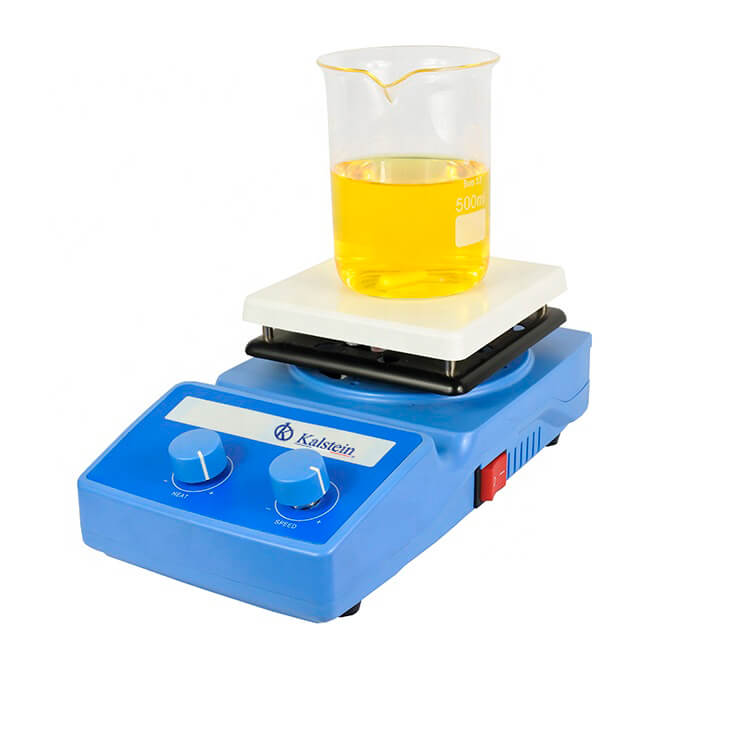
How to Ensure Predictive Maintenance and Regular Calibration for Analog Ceramic Top Hotplate Stirrers
Analog Ceramic Top Hotplate Stirrers are indispensable instruments in laboratory environments, designed to efficiently mix and heat samples. Implementing predictive maintenance and regular calibration ensures optimal performance, accuracy, and reliability. This article delves into the vital aspects of maintaining these devices to prolong their lifespan and enhance laboratory workflow.
Understanding Predictive Maintenance for Hotplate Stirrers
Predictive maintenance involves continuously monitoring the condition of equipment to predict when maintenance should be performed. This proactive approach helps reduce unexpected failures and minimizes downtime. For Analog Ceramic Top Hotplate Stirrers, regular checks on temperature accuracy, stirring efficiency, and physical integrity are crucial.
Key Components for Monitoring
Monitoring the motor function, heating element performance, and physical wear can prevent significant failures. Implementing a routine checkup schedule based on usage statistics can aid in assessing which components require more frequent attention.
Determining Calibration Intervals
Calibration should be carried out according to established standards and manufacturer recommendations. A general rule is to calibrate every three to six months; however, more frequent calibration is essential for labs with heavy usage or critical applications.
Common Calibration Practices
Calibration is the process of adjusting the performance of an instrument to ensure accuracy. For hotplate stirrers, this includes verifying the temperature and speed settings against known standards.
Temperature Calibration
The temperature calibration process involves using certified thermometers to compare the hotplate's temperature settings. The Analog Ceramic Top Hotplate Stirrer models, like YR02934 and YR02936, provide precise temperature control, making them ideal for critical applications in chemical and biological laboratories.
Speed Calibration
Monitoring the stirring speed is equally vital. Verify the actual RPM output with a calibrated tachometer to ensure consistent mixing performance. For example, the YR02935 model offers stirring speeds of 100-1800 RPM, which should be routinely checked for accuracy.
Comparison of Available Models
| Model | Temperature Range (°C) | Plate Dimensions (mm) | Price (USD) | Best For |
|---|---|---|---|---|
| YR02933 | Room to 325 | Unknown | 125.00 | Basic laboratory tasks |
| YR02934 | Room to 380 | 180 x 180 | 152.00 | Chemical applications |
| YR02935 | Room to 380 | 230 x 230 | 190.00 | Biological applications |
| YR02936 | Room to 400 | 280 x 280 | 265.00 | High-precision tasks |
Common Mistakes and How to Avoid Them
Laboratory professionals often overlook certain practices that can lead to equipment failure and inaccuracies. Recognizing these pitfalls is essential for maintaining the longevity and reliability of hotplate stirrers.
Infrequent Calibration
Neglecting regular calibration can lead to significant discrepancies in temperature and stirring efficiency, impacting experimental outcomes. Implementing a strict schedule based on usage can mitigate this risk.
Ignoring Maintenance Signs
Signs of wear and tear, such as unusual noises or erratic temperature fluctuations, should never be ignored. Regularly scheduled inspections can help identify these issues before they escalate.
Frequently Asked Questions
How often should an Analog Ceramic Top Hotplate Stirrer be calibrated?
An Analog Ceramic Top Hotplate Stirrer should typically be calibrated every three to six months, depending on usage and application sensitivity. For instance, the YR02936, known for high-precision tasks, may require more frequent calibration due to the critical nature of its applications.
What are the best practices for predictive maintenance on hotplate stirrers?
Best practices for predictive maintenance include regular inspections, monitoring operational parameters, and implementing a preventative maintenance schedule based on the model's specifications, such as those found in YR02934. This ensures consistent performance and reliability in laboratory settings.
Which model is the most accurate in temperature control?
The YR02936 is recognized for its high accuracy in temperature control, providing a range from room temperature up to 400°C. Regular calibration is essential to maintain this accuracy and ensure reliable experimental results.
What features make analog hotplate stirrers preferred in laboratories?
Analog hotplate stirrers, like the YR02934, are preferred due to their simplicity, reliability, and lack of external moving parts, which minimizes wear and maintenance needs. Additionally, their efficient design makes them suitable for various laboratory applications.
How can I determine the optimal calibration frequency for my hotplate stirrer?
To determine the optimal calibration frequency for a hotplate stirrer, evaluate its usage intensity and application sensitivity. For high-use models like YR02935, more frequent calibration may be necessary to ensure accuracy and performance.
What are the indicators of a failing hotplate stirrer?
Indicators of a failing hotplate stirrer include inconsistent temperature readings, unusual noises, and difficulty in maintaining stirring speeds. Regular monitoring and timely maintenance can help prevent further issues.
Can regular calibration improve the lifespan of a hotplate stirrer?
Yes, regular calibration can improve the lifespan of a hotplate stirrer by ensuring consistent performance and reducing wear caused by improper settings. Models such as YR02933 benefit from maintenance routines that promote longevity.
What should I include in a maintenance checklist for hotplate stirrers?
A maintenance checklist for hotplate stirrers should include routine inspections of heating elements, motor functions, and calibration checks. For instance, ensuring the YR02936 operates within its specified parameters is crucial for optimal performance.
If you are looking for a fusion of innovation and quality, you have come to the right place. At Kalstein, we offer you the luxury of exploring our exclusive catalog of laboratory equipment. We manufacture every device to the highest standards of excellence. Our intuitive and seamless online purchasing channels are designed for your convenience, securing the most competitive prices. Hesitate no longer — we bring science to life, it is time to become part of our community.