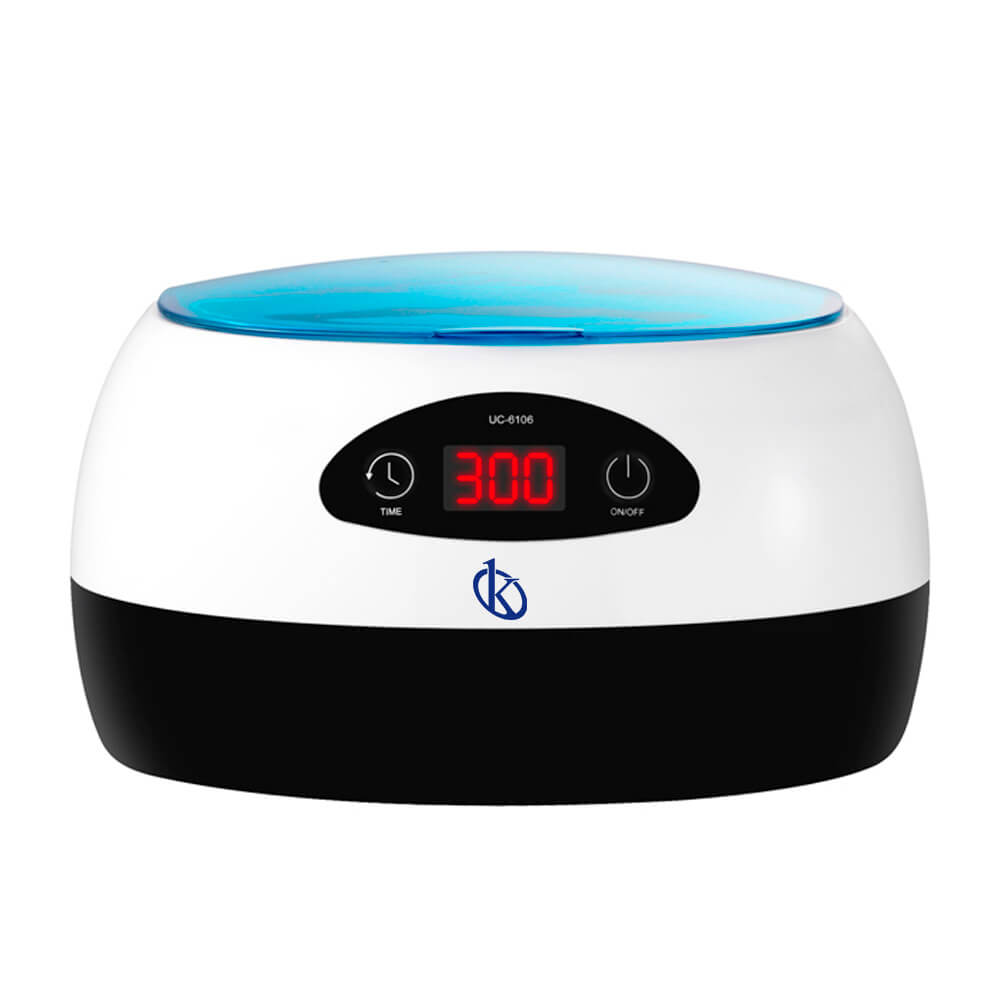
Predictive Maintenance and Recommended Calibration for Digital Desktop Ultrasonic Cleaners
Digital Desktop Ultrasonic Cleaners are essential tools in various laboratory settings, effectively cleaning instruments and components with high-frequency sound waves. The focus of this article is on predictive maintenance and the recommended calibration practices to ensure optimal performance and longevity of these devices. By understanding how to implement these practices, laboratory professionals can significantly enhance the reliability and efficiency of their ultrasonic cleaning processes.
Framing Predictive Maintenance and Calibration
Predictive maintenance involves using data-driven analytics to anticipate equipment failures and perform timely interventions, minimizing downtime and extending the lifespan of the equipment. For Digital Desktop Ultrasonic Cleaners, such as models YR05231 and YR05232, ensuring regular calibration and assessments is crucial in maintaining their performance standards. Calibration aligns the equipment's output with defined standards, ensuring consistent cleaning effectiveness and safeguarding compliance with laboratory regulations.
Understanding Calibration Standards and Intervals
Calibration for ultrasonic cleaners should be based on specific intervals defined by the equipment's usage and manufacturer recommendations. For instance, a model like YR05230, which features a tank capacity of 2.5 L, may require more frequent calibration in a high-usage environment compared to smaller models like YR05229, which has a capacity of 0.6 L. Standard intervals often range from quarterly to yearly, depending on the usage intensity and the criticality of the cleaning tasks performed.
Key Performance Indicators (KPIs) for Predictive Maintenance
Establishing KPIs is vital for measuring the effectiveness of a predictive maintenance strategy for Digital Desktop Ultrasonic Cleaners. Key indicators include Mean Time Between Failures (MTBF) and Mean Time to Repair (MTTR). For example, if a laboratory using the YR05231 experiences frequent breakdowns, tracking these KPIs can help identify root causes, enabling the laboratory to refine its maintenance protocols.
Common Calibration Techniques for Ultrasonic Cleaners
Several calibration techniques are applicable for maintaining Digital Desktop Ultrasonic Cleaners. For instance, frequency calibration ensures the ultrasonic frequency remains within specified limits, typically around 40-42 kHz for models like YR05232. Regular checks for frequency drift and output power are essential for maintaining cleaning efficiency and meeting compliance standards.
Developing a Calibration Schedule
| Model | Calibration Frequency | Recommended Actions |
|---|---|---|
| YR05231 | Quarterly | Frequency and power checks |
| YR05232 | Every 6 months | Full functionality assessment |
| YR05229 | Annually | Visual inspection and testing |
| YR05230 | Quarterly | Internal tank calibration |
Implementing Predictive Strategies
To successfully implement predictive maintenance, laboratories should establish a system for monitoring key operational parameters of their ultrasonic cleaners. This includes using data analytics to track usage patterns, operational hours, and maintenance history. For example, the YR05230 model can be programmed to log its operational data, facilitating more informed decisions regarding maintenance and calibration needs.
Common Mistakes and How to Avoid Them
When managing Digital Desktop Ultrasonic Cleaners, several common mistakes can compromise their effectiveness. One such mistake is neglecting routine maintenance checks, which can lead to degraded performance over time. Additionally, failing to recalibrate after repairs or modifications can result in inconsistent cleaning results. To avoid these pitfalls, laboratories should establish a strict maintenance schedule and follow manufacturer guidelines meticulously.
Comparison of Available Models
| Model | Tank Capacity (L) | Power (W) | Ultrasonic Frequency (kHz) | Best Use |
|---|---|---|---|---|
| YR05231 | 0.75 | 50 | 42 | Jewelry cleaning |
| YR05232 | 1.4 | 60 | 40 | General purpose |
| YR05229 | 0.6 | 50 | 42 | Lens cleaning |
| YR05230 | 2.5 | 60 | 42 | Dental and jewelry |
Frequently Asked Questions
How do I implement predictive maintenance for a Digital Desktop Ultrasonic Cleaner?
Implementing predictive maintenance for your Digital Desktop Ultrasonic Cleaner, such as the YR05230, involves monitoring operational parameters and scheduling regular maintenance intervals. You should record the usage patterns and conduct performance checks every three months to ensure optimal functionality and extend the lifespan of your equipment.
What are the calibration requirements for ultrasonic cleaners in laboratory settings?
Calibration requirements for ultrasonic cleaners like the YR05231 typically include frequency checks and performance evaluations every six months. Regular calibration ensures that the equipment operates within specified parameters, contributing to effective cleaning and compliance with laboratory standards.
Which ultrasonic cleaner model is best for jewelry maintenance in 2023?
The model YR05232 stands out as an excellent choice for jewelry maintenance, thanks to its efficient cleaning mechanism and a tank capacity of 1.4 L. This model is designed to restore jewelry to its original shine while ensuring the safety of delicate items.
How can I track the performance of my Digital Desktop Ultrasonic Cleaner?
To track the performance of your Digital Desktop Ultrasonic Cleaner, consider using models like YR05230, which can log operational data. Regularly monitoring key indicators such as usage hours and maintenance history will help you identify any signs of wear or imminent failure.
What common mistakes should I avoid with ultrasonic cleaner maintenance?
Common mistakes include ignoring routine maintenance and failing to recalibrate post-repair. For instance, skipping the calibration for your YR05229 after repairs can lead to inconsistent cleaning results. Adhering to a strict maintenance schedule is crucial for optimal performance.
How often should I calibrate my ultrasonic cleaner for optimal performance?
Calibration of your ultrasonic cleaner, such as the YR05231, should be performed at least quarterly for high-usage environments. This practice ensures that the ultrasonic frequency remains within a specified range and maintains the equipment's cleaning efficiency.
What are the recommended maintenance practices for ultrasonic cleaners?
Recommended maintenance practices for ultrasonic cleaners like the YR05230 include regular inspections, calibration checks, and cleaning the tank. Performing these tasks will prolong the lifespan of the equipment and improve cleaning outcomes.
Why is predictive maintenance important for laboratory equipment?
Predictive maintenance is crucial because it anticipates equipment failures before they occur, thereby reducing downtime and repair costs. For models like YR05232, implementing these strategies leads to higher reliability and better cleaning results in laboratory settings.
If you are looking for a fusion of innovation and quality, you have come to the right place. At Kalstein, we offer you the luxury of exploring our exclusive catalog of laboratory equipment. We manufacture every device to the highest standards of excellence. Our intuitive and seamless online purchasing channels are designed for your convenience, securing the most competitive prices. Hesitate no longer — we bring science to life, it is time to become part of our community.