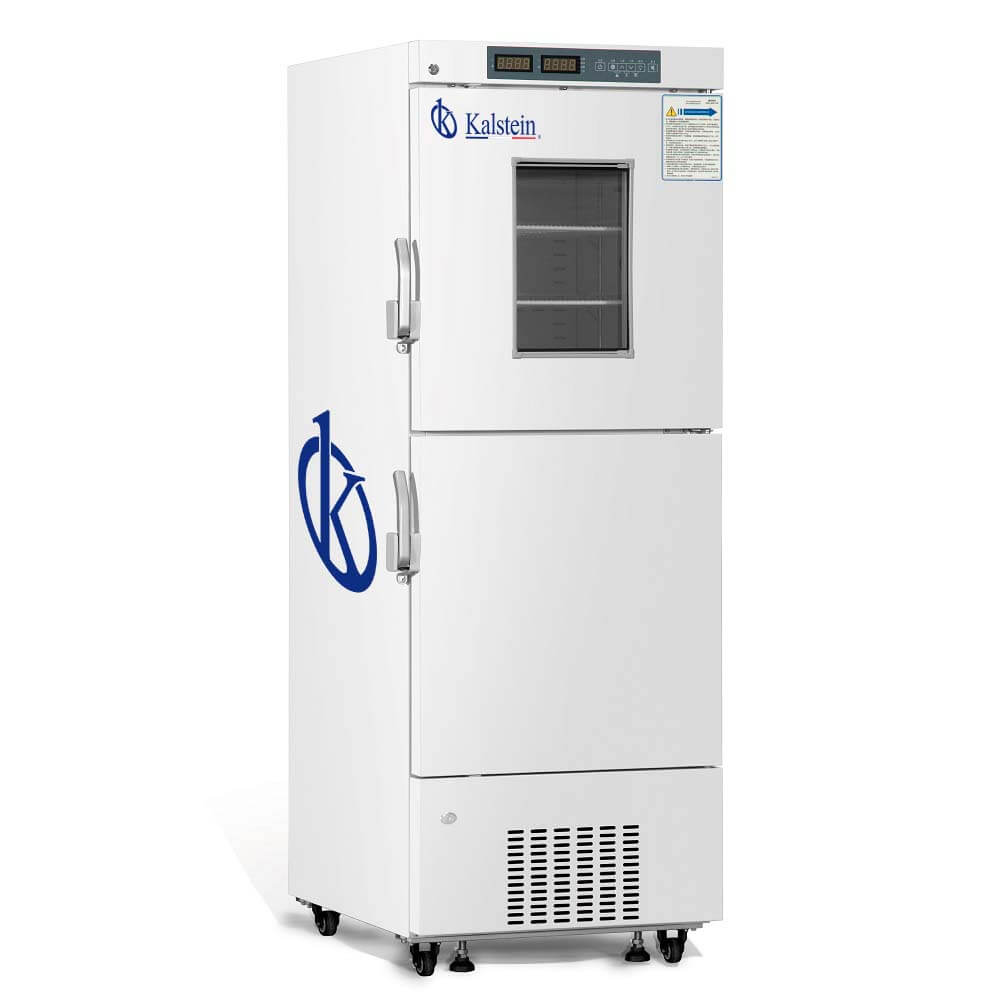
How to Implement Predictive Maintenance and Periodic Calibration for Combined Freezers
Combined freezers are critical in laboratory environments, particularly for the storage of temperature-sensitive materials such as pharmaceuticals, biological samples, and vaccines. Implementing predictive maintenance and periodic calibration strategies is essential to ensure their optimal performance and longevity. This article delves into the specifics of these maintenance strategies, emphasizing their relevance to combined freezers used in laboratories.
Understanding Predictive Maintenance in Combined Freezers
Predictive maintenance involves using data analysis tools and techniques to detect anomalies in equipment performance and potential defects in equipment before they lead to failure. For combined freezers, this approach can significantly reduce downtime and maintenance costs while optimizing operational efficiency. By monitoring key performance indicators (KPIs) such as temperature stability, energy consumption, and operational noise levels, laboratory professionals can develop a proactive maintenance schedule.
Benefits of Predictive Maintenance
- Reduced Downtime: Anticipating failures allows labs to schedule maintenance during non-critical times.
- Cost Efficiency: Early detection of issues reduces repair costs and extends equipment lifespan.
- Increased Reliability: Improved equipment performance ensures consistency in sample storage conditions.
Periodic Calibration: Why It Matters
Calibration is the process of adjusting the precision of a device to ensure accurate measurements. For combined freezers, periodic calibration ensures that the temperature settings align with established standards, which is crucial for maintaining the efficacy of stored materials. Regular calibration can help identify drift in temperature sensors, allowing for timely adjustments.
Key Calibration Standards for Combined Freezers
| Calibration Standard | Description |
|---|---|
| ISO 17025 | General requirements for the competence of testing and calibration laboratories. |
| FDA Guidelines | Regulatory standards for storage of pharmaceuticals and biological products. |
Comparison of Available Models
| Model Code | Temperature Range (°C) | Power Consumption (kWh/24h) | Best for |
|---|---|---|---|
| YR05320 | -20 to -40 | 4.15 | Pharmacy storage, plasma preservation |
| YR05321 | -10 to -25 | 3.03 | Blood stations, clinical labs |
| YR05321-1 | -10 to -25 | 3.03 | Research laboratories, blood transfusion |
Common Mistakes and How to Avoid Them
When implementing predictive maintenance and periodic calibration for combined freezers, there are common pitfalls that laboratory personnel should be aware of. One significant mistake is neglecting to document maintenance activities and calibration results, which can lead to compliance issues. Another error is failing to train personnel adequately on the importance of these processes, which can result in inconsistent practices.
Best Practices for Effective Maintenance
- Keep Detailed Records: Document all calibration and maintenance activities to ensure compliance.
- Train Staff: Regular training on equipment handling and maintenance protocols is crucial.
- Schedule Routine Checks: Create a calendar for regular checks and calibrations to maintain consistency.
Improving Efficiency through Predictive Maintenance
Incorporating predictive maintenance technology can significantly improve the efficiency of combined freezers. Using IoT devices, sensors can transmit real-time data on various performance metrics, enabling lab managers to analyze trends over time. For instance, the YR05320 model, with its advanced cooling technology, allows for easier monitoring of energy consumption and temperature stability, ensuring that it meets stringent laboratory standards.
Calibration Schedule: Recommended Intervals
Establishing a calibration schedule is essential for maintaining the accuracy of temperature readings in combined freezers. The recommended intervals vary but typically should occur:
- Monthly checks for critical applications.
- Quarterly checks for general laboratory use.
- Annual comprehensive calibration for compliance with ISO 17025.
Sample Calibration Schedule
| Frequency | Action |
|---|---|
| Monthly | Check temperature readings and adjust if necessary. |
| Quarterly | Perform a full calibration with a certified thermometer. |
| Annually | Comprehensive validation and compliance check. |
Frequently Asked Questions
What are the key benefits of predictive maintenance for combined freezers?
The key benefits of predictive maintenance for combined freezers include reduced downtime, cost efficiency, and increased reliability. By implementing predictive maintenance strategies, laboratories can anticipate potential failures in models like the YR05321-1, thus maintaining optimal storage conditions for sensitive materials.
How often should calibration be performed on combined freezers?
Calibration should be performed monthly for critical applications, quarterly for general laboratory use, and annually for compliance with standards like ISO 17025. Regular calibration ensures that combined freezers such as the YR05320 maintain accurate temperature settings essential for preserving sensitive samples.
What impact does periodic calibration have on laboratory compliance?
Periodic calibration directly impacts laboratory compliance by ensuring that temperature-sensitive equipment like combined freezers meets regulatory standards. For instance, models such as YR05321 must adhere to guidelines set by the FDA, which necessitates routine calibration checks.
How can predictive maintenance reduce operational costs in laboratories?
Predictive maintenance can reduce operational costs by minimizing unexpected breakdowns and extending equipment lifespan. For example, monitoring the YR05321's performance can help identify potential issues early, allowing for timely interventions that save costs associated with emergency repairs.
What calibration standards should laboratories follow for combined freezers?
Laboratories should follow calibration standards such as ISO 17025 and FDA guidelines for combined freezers. Adhering to these standards ensures the reliability and accuracy of temperature management in vital storage units like the YR05321-1, resulting in better compliance and sample integrity.
How does temperature stability affect sample integrity in combined freezers?
Temperature stability is crucial for maintaining sample integrity in combined freezers. Fluctuations can degrade sensitive materials, making models like the YR05320 essential for laboratories that require consistent temperature control to uphold sample viability.
What features should laboratories look for in combined freezers for predictive maintenance?
Laboratories should look for features such as real-time monitoring, data logging capabilities, and alarms in combined freezers. Models like the YR05321 provide these features, facilitating predictive maintenance processes to ensure optimal performance and compliance.
How does proper maintenance affect the lifespan of combined freezers?
Proper maintenance significantly affects the lifespan of combined freezers by preventing wear and tear and ensuring they operate within optimal conditions. Regular maintenance of units like the YR05321-1 not only extends their lifespan but also enhances reliability in storing sensitive biological materials.
If you are looking for a fusion of innovation and quality, you have come to the right place. At Kalstein, we offer you the luxury of exploring our exclusive catalog of laboratory equipment. We manufacture every device to the highest standards of excellence. Our intuitive and seamless online purchasing channels are designed for your convenience, securing the most competitive prices. Hesitate no longer — we bring science to life, it is time to become part of our community.