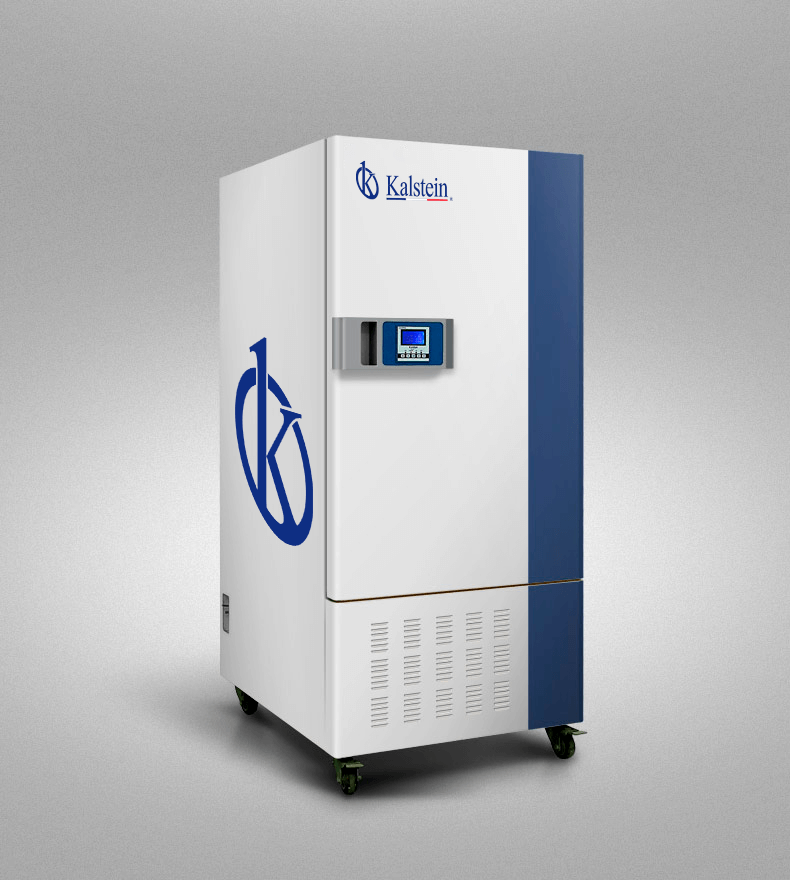
How to Ensure Regulatory Compliance with Constant Temperature and Humidity Chambers
Constant temperature and humidity chambers play a pivotal role in laboratories, particularly in ensuring compliance with ISO/IEC regulations. These chambers are integral to various scientific and industrial applications, helping labs maintain controlled environmental conditions crucial for testing, research, and quality assurance. As regulatory requirements evolve, understanding how these chambers comply with specific standards becomes essential for laboratory professionals.
Understanding ISO/IEC Standards for Laboratories
ISO/IEC standards are critical in defining the requirements for laboratory operations and equipment. Key standards such as ISO 17025 and ISO 15189 dictate the calibration, accuracy, and reliability of laboratory measurements, ensuring that they meet international benchmarks. Compliance with these standards not only enhances the credibility of a laboratory but also assures clients of the validity of test results.
Regulatory Compliance: Importance and Benefits
Ensuring regulatory compliance in laboratories enhances operational efficiency and mitigates risks associated with non-compliance, such as penalties and loss of reputation. Constant temperature and humidity chambers assist in maintaining the integrity of tests and experiments by providing stable environmental conditions that meet specified requirements. This compliance also fosters trust among stakeholders, including clients and regulatory bodies.
Key ISO/IEC Standards Relevant to Constant Temperature and Humidity Chambers
Several ISO/IEC standards are particularly relevant to constant temperature and humidity chambers:
- ISO 17025: Covers general requirements for the competence of testing and calibration laboratories.
- ISO 15189: Specifies requirements for quality and competence in medical laboratories.
- IEC 61010: Relates to the safety requirements for electrical equipment used in measurement, control, and laboratory equipment.
How Constant Temperature and Humidity Chambers Help Meet ISO/IEC Standards
Constant temperature and humidity chambers are designed to provide precise control over environmental conditions, which is essential for fulfilling the requirements of ISO/IEC standards. For instance, the YR05334 model features adaptive temperature control, ensuring that it maintains specified conditions for experiments. Meanwhile, the YR05335 model, with its advanced monitoring systems, allows laboratories to document and trace environmental data effectively, meeting ISO 17025 guidelines for traceability.
Comparison of Available Models
| Model | Temperature Range (°C) | Humidity Range (%) | Best for | Price (USD) |
|---|---|---|---|---|
| YR05334 | 0~60 | 40~95 | Long-term experiments | 1870.00 |
| YR05335 | 0~60 | 40~95 | Sample testing | 2220.00 |
| YR05336 | 0~60 | 40~95 | Pharmaceutical research | 3140.00 |
| YR05337 | 0~60 | 40~95 | Microbiology testing | 1900.00 |
| YR05338 | 0~60 | 40~95 | Plant research | 2250.00 |
| YR05339 | 0~60 | 40~95 | Environmental testing | 3180.00 |
Common Mistakes and How to Avoid Them
Laboratories often make critical errors in the setup and operation of constant temperature and humidity chambers. Common mistakes include improper calibration, neglecting to document environmental conditions, and using chambers that do not meet specific standards. To avoid these pitfalls, ensure regular maintenance and calibration according to the manufacturer's guidelines and ISO standards.
Frequently Asked Questions
How can constant temperature and humidity chambers assist in ISO 17025 compliance?
Constant temperature and humidity chambers, such as the YR05334, support ISO 17025 compliance by providing precise environmental control for testing processes. This precision ensures reliable data validation and traceability, which are essential components of laboratory accreditation under this standard.
What are the best practices for maintaining constant temperature and humidity chambers?
Best practices include regular calibration of the devices, as seen in models like YR05335. Additionally, maintaining a clean environment and adhering to a routine maintenance schedule ensures optimal performance and compliance with standards.
Which constant temperature and humidity chamber is ideal for pharmaceutical applications?
The YR05336 model is ideal for pharmaceutical applications due to its advanced control systems and compliance with ISO/IEC standards, making it suitable for critical testing and development processes.
How does humidity control impact laboratory testing accuracy?
Humidity control is crucial for maintaining the integrity of samples. Chambers like the YR05337 ensure a stable humidity range of 40-95%, which is vital for accurate testing results in sensitive experiments.
What features enhance the safety of constant temperature and humidity chambers?
Features such as high-efficiency insulation and advanced monitoring systems in models like YR05338 enhance safety by minimizing risks associated with temperature fluctuations and ensuring stable operating conditions.
What should laboratories consider when selecting a constant temperature and humidity chamber?
Laboratories should consider the temperature and humidity ranges, as well as the specific compliance requirements for their operations. For instance, the YR05339 model is suitable for extensive environmental testing due to its broad range and reliability.
If you are looking for a fusion of innovation and quality, you have come to the right place. At Kalstein, we offer you the luxury of exploring our exclusive catalog of laboratory equipment. We manufacture every device to the highest standards of excellence. Our intuitive and seamless online purchasing channels are designed for your convenience, securing the most competitive prices. Hesitate no longer — we bring science to life, it is time to become part of our community.