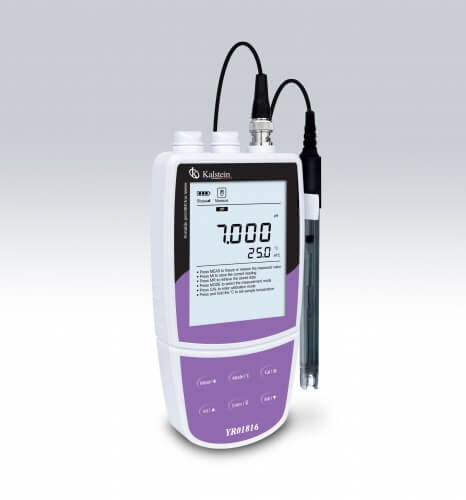
Site Requirements and Environmental Conditions for the YR01817-14 Portable Ammonium Ion Meter
The YR01817-14 Portable Ammonium Ion Meter is a professional-grade device designed for accurate measurement of ammonium ion concentration. Its versatility makes it suitable for various applications, but optimal performance requires adhering to specific site requirements and environmental conditions. This article outlines the essential conditions necessary to ensure reliable operation and longevity of the YR01817-14.
Technical Data for the YR01817-14
| Model | YR01817-14 |
|---|---|
| Brand | Kalstein |
| Category | Ion Meter |
| Subcategory | Portable Ion Meter |
| Price (USD) | $500.00 |
| Net Weight | |
| Gross Weight | 1.50 kg |
| Dimensions |
Understanding the Importance of Environmental Conditions
The performance of the YR01817-14 is influenced by several environmental factors. Understanding these factors is vital for ensuring accurate readings and prolonging the device's lifespan.
1. Temperature Range
The YR01817-14 operates effectively within a temperature range of 0 to 105 °C (32 to 221 °F). It is crucial to maintain the meter within this range to avoid inaccuracies in measurement. Extreme temperatures can affect the sensor's functionality and lead to erroneous readings.
2. Humidity Levels
Humidity can significantly impact the operation of the YR01817-14. The ideal relative humidity should be between 20% and 80%. Exceeding these levels may cause condensation within the device, compromising the sensors and leading to unreliable measurements.
3. Voltage and Frequency
The YR01817-14 requires a stable power supply to function correctly. Ensure that the voltage remains within specified limits to avoid damage to the electronic components. Additionally, fluctuations in frequency can affect the device's calibration and overall performance.
4. Ventilation
Proper ventilation is essential for the YR01817-14. Ensure that the device is placed in an area with adequate airflow to prevent overheating. Operating in confined or poorly ventilated spaces may lead to overheating, resulting in inaccurate readings and potential damage to the device.
5. Vibration and EMI
The YR01817-14 is sensitive to vibrations and electromagnetic interference (EMI). To ensure accurate readings, place the meter on a stable surface, away from machinery or devices that may cause vibrations. Additionally, avoid using the meter near sources of strong electromagnetic fields, which could disrupt measurements.
Site Preparation Checklist
| Site Requirement | Details |
|---|---|
| Temperature Control | 0 to 105 °C (32 to 221 °F) |
| Humidity Control | 20% to 80% relative humidity |
| Stable Power Supply | Check voltage and frequency stability |
| Ventilation | Adequate airflow to prevent overheating |
| Stable Surface | Ensure no vibrations from surrounding equipment |
| Electromagnetic Interference | Keep away from strong EMI sources |
Common Installation Mistakes
Installing the YR01817-14 requires attention to detail to avoid common mistakes that could affect its performance. Here are some pitfalls to avoid:
- Neglecting Environmental Conditions: Not considering temperature and humidity can lead to inaccurate readings.
- Improper Power Supply: Using fluctuating or incorrect voltage levels can damage the equipment.
- Poor Positioning: Incorrect placement can expose the meter to vibrations and EMI.
- Ignoring Calibration: Failing to calibrate the meter before first use can result in erroneous measurements.
Frequently Asked Questions
What is the optimal temperature range for the YR01817-14?
The YR01817-14 operates optimally at temperatures ranging from 0 to 105 °C (32 to 221 °F). Maintaining these temperatures is crucial for accurate measurements.
How do humidity levels affect the YR01817-14?
Humidity levels should be maintained between 20% and 80% relative humidity. Excess moisture can lead to condensation, which may damage the device or lead to inaccurate readings.
What should I do if my YR01817-14 shows erratic readings?
Erratic readings may indicate improper calibration or environmental issues such as excessive vibrations or EMI. Ensure the device is calibrated, and check the installation conditions.
Can I use the YR01817-14 outdoors?
Yes, the YR01817-14 is suitable for outdoor use, provided that it is protected from extreme environmental conditions such as direct sunlight, heavy rain, and extreme temperatures.
What are the consequences of using the YR01817-14 outside of its specified conditions?
Using the YR01817-14 outside its specified conditions can lead to inaccurate measurements, potential damage to the device, and ultimately affect the reliability of your tests.
How often should I calibrate the YR01817-14?
Regular calibration is essential to ensure accuracy. It is recommended to calibrate the YR01817-14 before major measurements and periodically based on the frequency of use.
Where can I find replacement parts for the YR01817-14?
Replacement parts for the YR01817-14 can be obtained through authorized distributors or directly from the manufacturer to ensure compatibility and maintain performance.
If you are interested in obtaining a quote for the YR01817-14 or other laboratory equipment, please reach out for more information.
If you are looking for a fusion of innovation and quality, you have come to the right place. At Kalstein, we offer you the luxury of exploring our exclusive catalog of laboratory equipment. We manufacture every device to the highest standards of excellence. Our intuitive and seamless online purchasing channels are designed for your convenience, securing the most competitive prices. Hesitate no longer — we bring science to life, it is time to become part of our community.