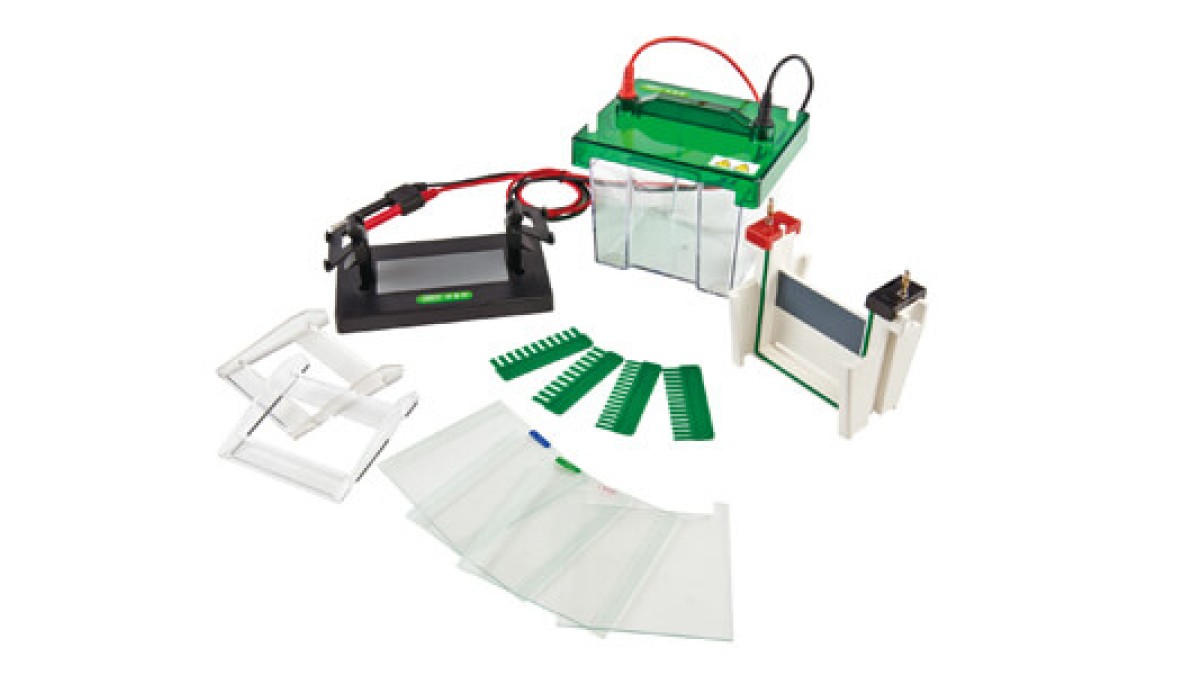
Vertical Electrophoresis: Common Mistakes and How to Avoid Them in Daily Operation 2026
Vertical electrophoresis is a vital technique used in laboratories to separate proteins and other biomolecules based on their size and charge. As laboratory professionals, understanding the proper use of vertical electrophoresis equipment is essential for achieving accurate results. In this article, we delve into the common errors encountered during daily operations and how to avoid them effectively.
What is it used for in 2026
In 2026, vertical electrophoresis plays a crucial role in various research and diagnostic applications. It is predominantly used for separating proteins, allowing researchers to analyze protein profiles for studies in molecular biology, biochemistry, and clinical laboratories. This technique aids in protein characterization, identification, and quantification, making it essential for proteomics research, disease diagnostics, and therapeutic monitoring.
History and evolution of the technology
The evolution of vertical electrophoresis dates back to the early 20th century when researchers first explored gel electrophoresis for the separation of proteins and nucleic acids. Over the decades, advancements in gel matrix formulations, buffer systems, and detection methods have led to enhanced resolution and efficiency. Today, vertical electrophoresis systems are equipped with advanced features, allowing for real-time monitoring and improved reproducibility in results, positioning them as indispensable tools in modern laboratories.
How to use it step by step
Using vertical electrophoresis requires attention to detail and a systematic approach. Here’s a step-by-step guide:
- Preparation: Gather all necessary materials, including gel casting trays, glass plates, buffer solutions, and protein samples.
- Gel preparation: Depending on the model, mix the acrylamide solution with a polymerizing agent and pour it into the gel casting tray.
- Sample loading: Once the gel has polymerized, carefully load the protein samples into the wells, ensuring consistent volumes.
- Set up the apparatus: Assemble the vertical electrophoresis unit, ensuring the glass plates are securely positioned.
- Run the electrophoresis: Connect the apparatus to a power supply and set the appropriate voltage and time based on the sample size and gel concentration.
- Staining and visualization: After the run, stain the gel with appropriate dyes to visualize the separated proteins.
- Data analysis: Document and analyze the results using imaging software or densitometry methods.
Best techniques and protocols
Implementing best practices in vertical electrophoresis ensures reliable results. Here are some recommended techniques:
- Use freshly prepared gels to avoid inconsistencies in separation.
- Optimize buffer pH and ionic strength for the specific protein being analyzed.
- Run controls alongside samples to validate results.
- Maintain consistent sample loading techniques to minimize variability.
- Implement proper cooling systems to prevent overheating of samples during runs.
Practical applications by laboratory type
Vertical electrophoresis finds applications across various laboratory types:
- Clinical laboratories: Used for diagnosing diseases through protein profiling.
- Research laboratories: Essential for studying protein interactions, functions, and structures.
- Biotechnology: Employed in biopharmaceutical development, including monoclonal antibody production.
Regulations, standards and certifications
In laboratory settings, adherence to regulations and standards is paramount. Ensure that vertical electrophoresis equipment complies with:
- ISO (International Organization for Standardization) standards for laboratory equipment.
- Good Laboratory Practices (GLP) to ensure the reliability of results.
Comparison with alternative technologies
While vertical electrophoresis is widely utilized, other techniques may offer distinct advantages:
- Western Blot: Offers more specificity for protein identification.
- Mass Spectrometry: Provides detailed molecular weight and structural information.
Comparison of available models
| Model | Best for | Key specs | Recommended use case |
|---|---|---|---|
| YR03425 | Protein separation in small batches | Size: 150x120x115 mm, Weight: 1.5 Kg, Price: $303.00 | Ideal for academic research requiring quick results |
| YR03426 | High throughput gel casting | Size: 220x170x120 mm, Weight: 2.5 Kg, Price: $405.00 | Suitable for labs needing multiple gels at once |
| YR03427 | Versatile protein analysis | Size: 175x175x100 mm, Weight: 2.5 Kg, Price: $517.20 | Perfect for detailed protein characterization studies |
| YR03428 | Large sample volumes | Size: 280x140x135 mm, Weight: 3.2 Kg, Price: $173.40 | Efficient for clinical applications requiring high throughput |
| YR03429 | Comprehensive protein profiling | Size: 280x140x250 mm, Weight: 5.6 Kg, Price: $238.20 | Best for thorough analysis in proteomics |
| YR03430 | Rapid protein separation | Size: 280x140x136 mm, Weight: 3.2 Kg, Price: $339.60 | Use when time efficiency is crucial in labs |
Common mistakes and how to avoid them
Several common mistakes can occur during vertical electrophoresis operations:
- Incorrect gel concentration: Use the recommended gel concentration for the specific protein size to avoid poor resolution.
- Poor sample loading: Ensure consistent and precise sample loading to maintain reproducibility.
- Buffer contamination: Regularly check buffers for contamination to prevent skewed results.
- Inadequate power supply settings: Always set the appropriate voltage and current to avoid overheating and gel distortion.
Maintenance, calibration and good practices 2026
Regular maintenance is critical for the longevity of vertical electrophoresis equipment:
- Clean the apparatus after each use to prevent buildup of gels and buffers.
- Calibrate the equipment periodically to ensure precise results.
- Document maintenance activities to maintain compliance with laboratory standards.
Cost-benefit analysis 2026
The investment in vertical electrophoresis systems can yield significant returns through:
- Enhanced productivity and accuracy in protein analysis.
- Reduction in labor costs through automation capabilities in advanced models.
- Increased research capabilities leading to potential breakthroughs in findings.
Frequently asked questions
What should I consider when choosing a vertical electrophoresis model?
Consider your laboratory's specific needs, including the volume of samples, the type of proteins being analyzed, and your budget constraints. Evaluate models based on their throughput capabilities, ease of use, and space requirements.
How do I ensure accurate sample loading in vertical electrophoresis?
Utilize pipetting techniques to consistently load equal volumes of samples into each well. Employing a loading guide can help maintain uniformity and reduce variability.
What are the best practices for gel preparation?
Use freshly prepared gel solutions and ensure thorough mixing of the components. Allow adequate polymerization time to achieve optimal gel consistency before loading samples.
How often should I calibrate my vertical electrophoresis equipment?
It is advisable to calibrate your equipment at least once a month or before critical experiments to ensure accuracy in results.
What are common troubleshooting steps for electrophoresis issues?
If you encounter issues such as poor resolution or smearing, check the gel concentration, ensure proper sample loading, and verify that the buffer is fresh and properly prepared.
Where can I find high-quality vertical electrophoresis equipment?
For high-quality vertical electrophoresis equipment, consider reputable laboratory suppliers that offer a range of models tailored to different research needs.
If you are looking for a fusion of innovation and quality, you have come to the right place. At Kalstein, we offer you the luxury of exploring our exclusive catalog of laboratory equipment. We manufacture every device to the highest standards of excellence. Our intuitive and seamless online purchasing channels are designed for your convenience, securing the most competitive prices. Hesitate no longer — we bring science to life, it is time to become part of our community.