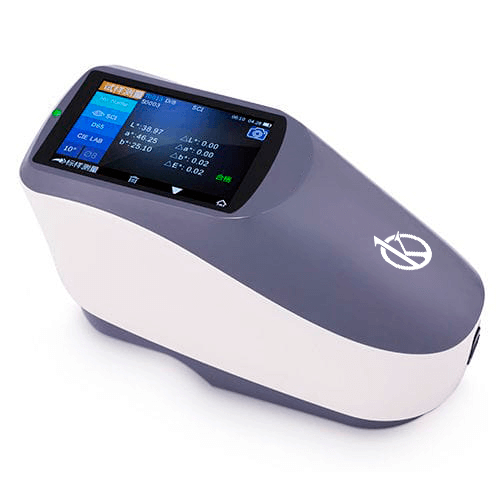
Portable Spectrophotometers: Best Techniques and Protocols 2026
In the ever-evolving landscape of laboratory technology, portable spectrophotometers have become essential tools for professionals requiring efficient and precise measurement of color and light absorption. This article delves into the applications, history, usage techniques, best practices, and available models of portable spectrophotometers in 2026, providing a comprehensive guide for laboratory professionals.
What is it used for in 2026
Portable spectrophotometers are primarily used for measuring the intensity of light absorbed by a sample at various wavelengths. Their applications span diverse fields including quality control in manufacturing, material testing in laboratories, environmental monitoring, and food safety assessments. In 2026, these devices have been further refined to offer enhanced accuracy and versatility in various methodologies, enabling professionals to conduct precise measurements even in field settings.
History and evolution of the technology
The technology behind spectrophotometers has evolved significantly since its inception. Early models were bulky and primarily used in laboratories, limiting their practicality. However, advancements in optical technology and miniaturization have led to the development of portable spectrophotometers. They now incorporate features such as Bluetooth connectivity, dual measurement modes, and customizable apertures, making them indispensable in modern laboratory practices.
How to use it step by step
To effectively use a portable spectrophotometer, follow these steps:
- Preparation: Ensure the device is charged and properly calibrated.
- Sample Selection: Choose the sample to be analyzed, ensuring it is appropriate for the chosen method.
- Settings Adjustment: Set the desired wavelength and aperture size based on the analysis requirements.
- Measurement: Insert the sample into the spectrophotometer and begin the measurement process.
- Data Analysis: Record the results and analyze them according to laboratory protocols.
- Documentation: Maintain a detailed log of the measurements for future reference and compliance.
Best techniques and protocols
In 2026, the best techniques for using portable spectrophotometers include:
- Calibration: Regular calibration using standard reference materials is crucial for accurate results.
- Consistent Light Source: Utilize devices with stable light sources to ensure repeatability.
- Sample Preparation: Ensure samples are free from bubbles and contaminants for reliable measurements.
- Method Validation: Validate techniques with multiple samples to ascertain accuracy and precision.
Practical applications by laboratory type
Portable spectrophotometers are used across various laboratory types including:
- Environmental Labs: For monitoring water quality and analyzing pollutants.
- Food Safety Labs: To assess color and quality parameters in food products.
- Textile Labs: For ensuring color consistency in fabric production.
- Paint and Coatings Labs: To control color accuracy and quality in paints and inks.
Regulations, standards and certifications
In 2026, portable spectrophotometers must meet stringent regulations and standards, including:
- CIE Standards: Compliance with CIE No.15 and other relevant CIE protocols.
- ISO Certifications: Adherence to ISO7724-1 for color measurement methodologies.
- ASTM Standards: Following ASTM E1164 and other applicable ASTM guidelines for performance.
Comparison with alternative technologies
When comparing portable spectrophotometers with alternative technologies such as colorimeters or traditional spectrophotometers, several factors emerge:
- Portability: Portable spectrophotometers offer mobility that traditional models lack.
- Multi-functionality: Many portable models combine features of spectrophotometers and colorimeters.
- Data Connectivity: Enhanced connectivity options allow for easier data management and analysis.
Comparison of available models
| Model | Best for | Key specs | Recommended use case |
|---|---|---|---|
| YR05503 | Traffic Signal Measurement | 20 mm aperture, 45/0 geometry | Measuring brightness factor and color coordinates of traffic signs. |
| YR05504 | Color Analysis in Laboratories | 8 mm and 4 mm apertures, 45/0 geometry | High precision color analysis and transmission. |
| YR05505 | Economical Color Measurement | Customizable aperture sizes | Color transfer and quality control in various industries. |
| YR05500 | Advanced UV Measurements | Bluetooth, UV scanning capability | Measuring UV reflectance and transmission in multiple applications. |
| YR05501 | Dual Mode Measurement | Bluetooth, UV scanning capability | Versatile applications with reliable measurements. |
| YR05502 | Comprehensive Color Analysis | Bluetooth, programmable apertures | Ideal for advanced applications requiring high precision. |
Common mistakes and how to avoid them
Some common mistakes when using portable spectrophotometers include:
- Neglecting Calibration: Always calibrate your device before use to ensure accuracy.
- Improper Sample Handling: Handle samples carefully to avoid contamination and ensure representativeness.
- Ignoring Ambient Conditions: Conduct measurements in controlled environments to avoid interference from external light sources.
Maintenance, calibration and good practices 2026
Regular maintenance and calibration are critical for optimal performance. Follow these guidelines:
- Routine Calibration: Perform calibration using standard reference materials periodically.
- Cleaning: Clean the optical components regularly to maintain measurement accuracy.
- Software Updates: Keep the device firmware updated to benefit from the latest features and improvements.
Cost-benefit analysis 2026
In 2026, portable spectrophotometers offer a favorable cost-benefit ratio. While the initial investment may be substantial, the long-term savings in efficiency, accuracy, and versatility justify the price. Furthermore, portability allows for on-site measurements, reducing the need for expensive laboratory setups and associated overhead costs.
Frequently asked questions
What should I consider when choosing a portable spectrophotometer?
Consider factors such as measurement range, aperture sizes, connectivity options, and the specific applications you intend to use the device for.
How often should I calibrate my portable spectrophotometer?
Calibration should be done regularly, ideally before every measurement session, or when significant changes in ambient conditions occur.
Can I use my portable spectrophotometer in the field?
Yes, the portability of these devices is designed for on-site measurements, making them suitable for field usage.
What types of samples can be analyzed?
Portable spectrophotometers can analyze a wide range of samples including liquids, solids, and powders, depending on the model specifications.
What maintenance is required for my spectrophotometer?
Regular cleaning of optical components and routine calibration are essential to maintain performance and accuracy.
How do I ensure accurate measurements?
Ensure proper sample preparation, regular calibration, and consistent measurement conditions to achieve accurate results.
Is there a warranty or support available for my device?
Most manufacturers provide warranties and customer support services; check the specific terms offered upon purchase.
If you are looking for a fusion of innovation and quality, you have come to the right place. At Kalstein, we offer you the luxury of exploring our exclusive catalog of laboratory equipment. We manufacture every device to the highest standards of excellence. Our intuitive and seamless online purchasing channels are designed for your convenience, securing the most competitive prices. Hesitate no longer — we bring science to life, it is time to become part of our community.